


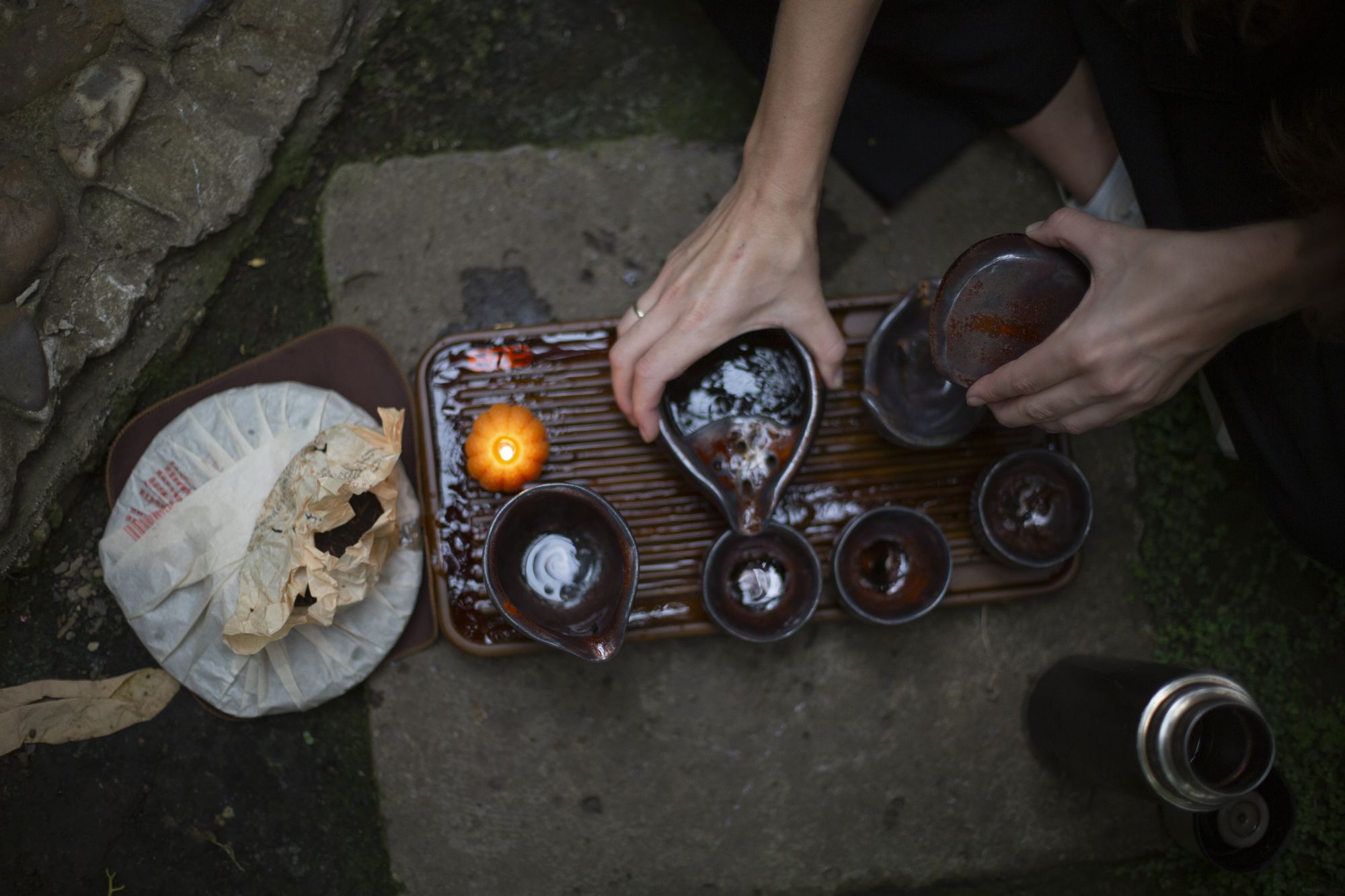
What is a Tea Ceremony?
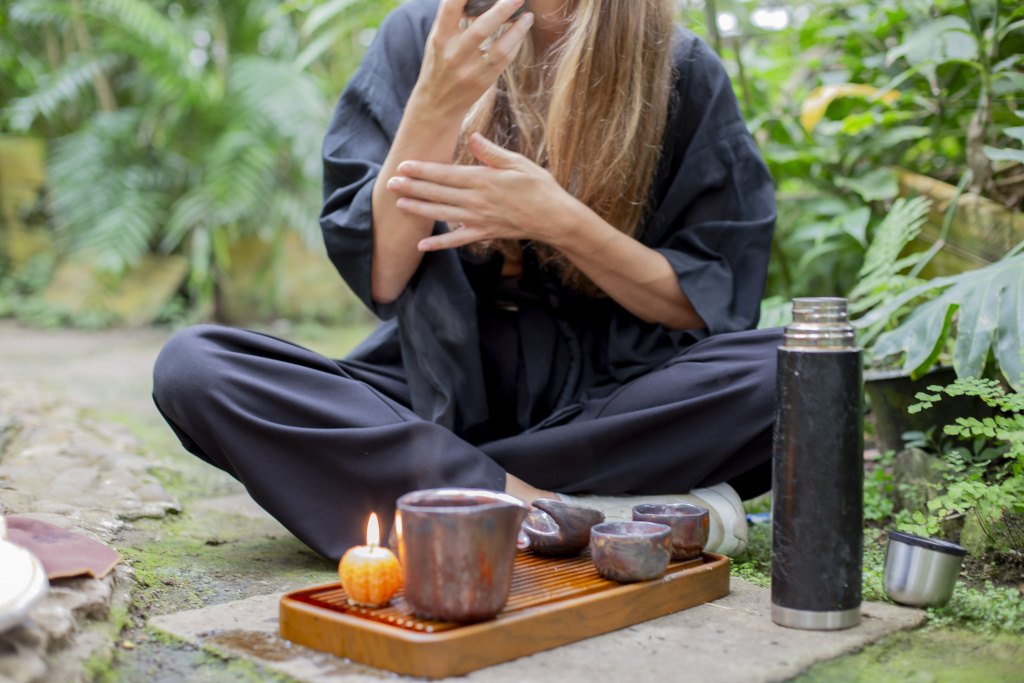
In China, the ritual is called Gongfu Cha — “the art of tea”: a thoughtful process where every gesture matters — from warming the teaware to the first sips. In Japan, there is the Way of Tea Chadō, with a focus on inner state, simplicity, and the beauty of movement. Both traditions share respect for tea as a source of harmony.
Philosophy and Meaning
It is more than brewing. The silence, observing the leaves, the play of aroma and taste create a meditative state. For me, the ceremony is a way to “reset” the mind: to pause, feel the moment, and reconnect with myself.
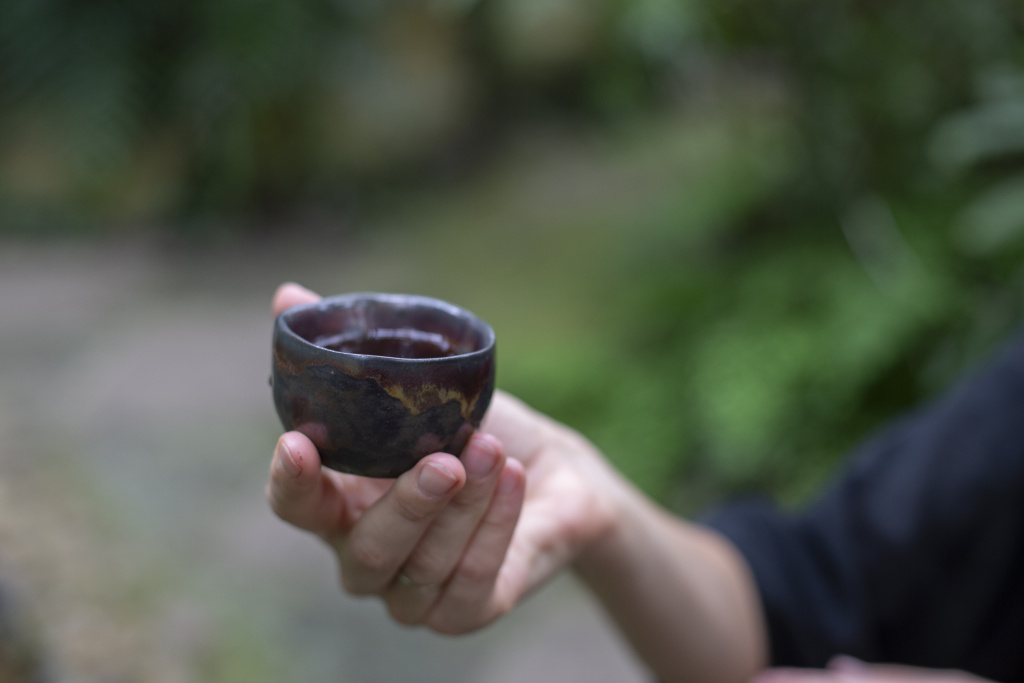
Chinese Ceremony (Gongfu Cha): Key Steps
- Warm the teaware (teapot/gaiwan and cups) to enhance aroma.
- Add dry leaves and quickly rinse them with a first short infusion.
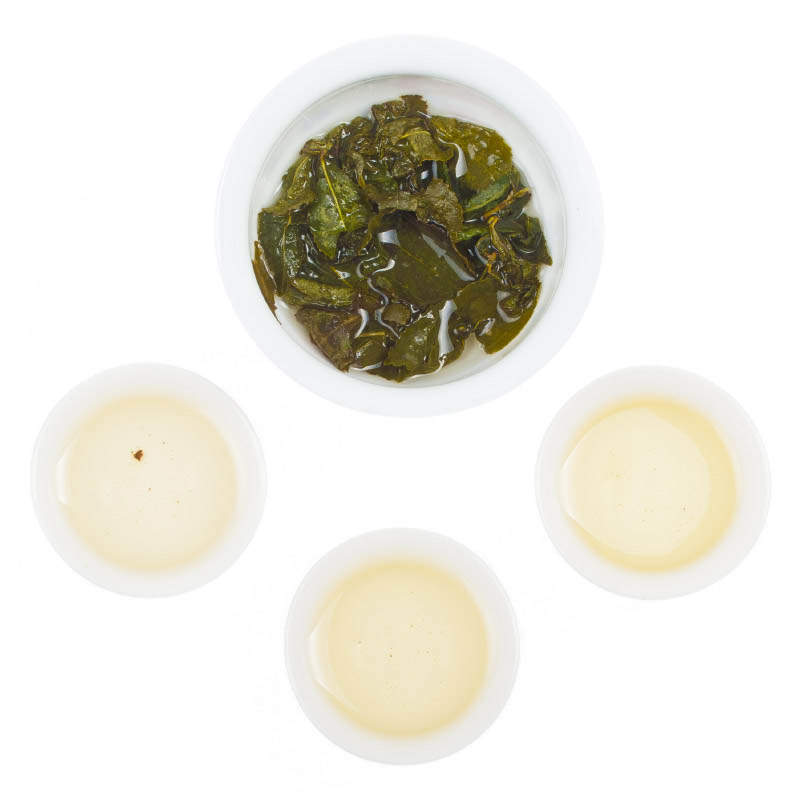
- Brew through several short infusions — each reveals new flavors.
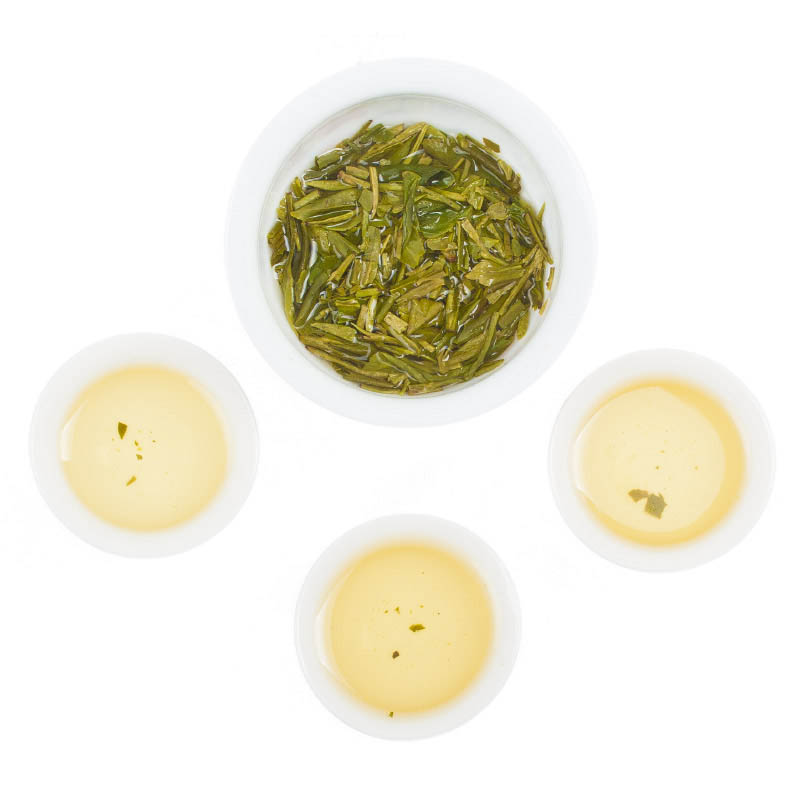
- Pour into small cups so everyone experiences the same taste and temperature.
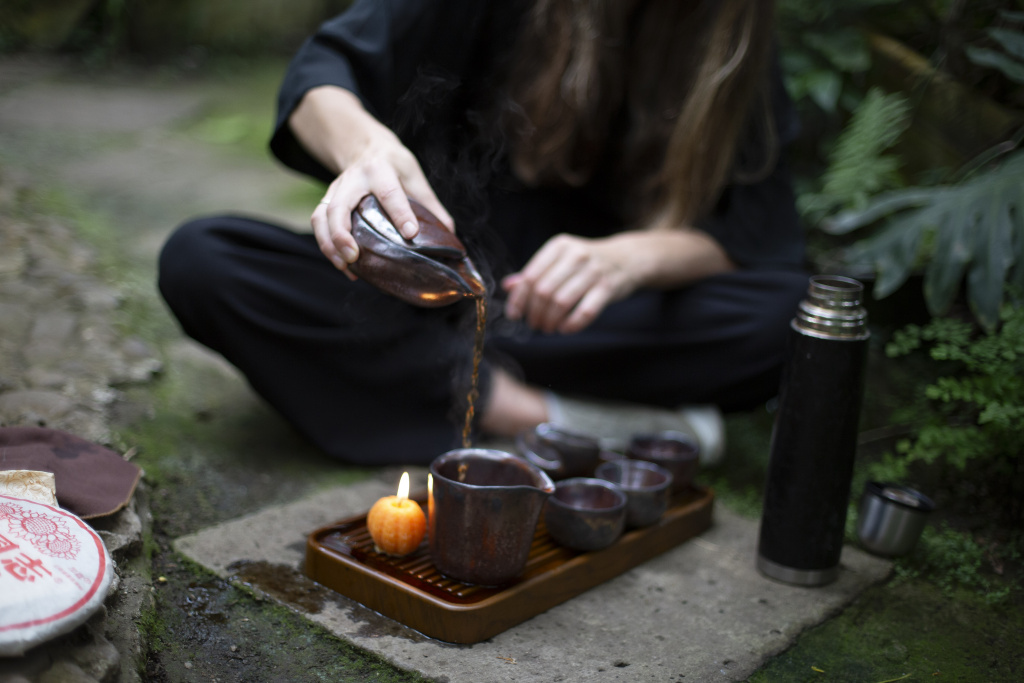
Tip: For your first ceremonies, choose simple teaware (a gaiwan or small teapot) and don’t rush — rhythm defines taste.
Japanese Ceremony and Matcha
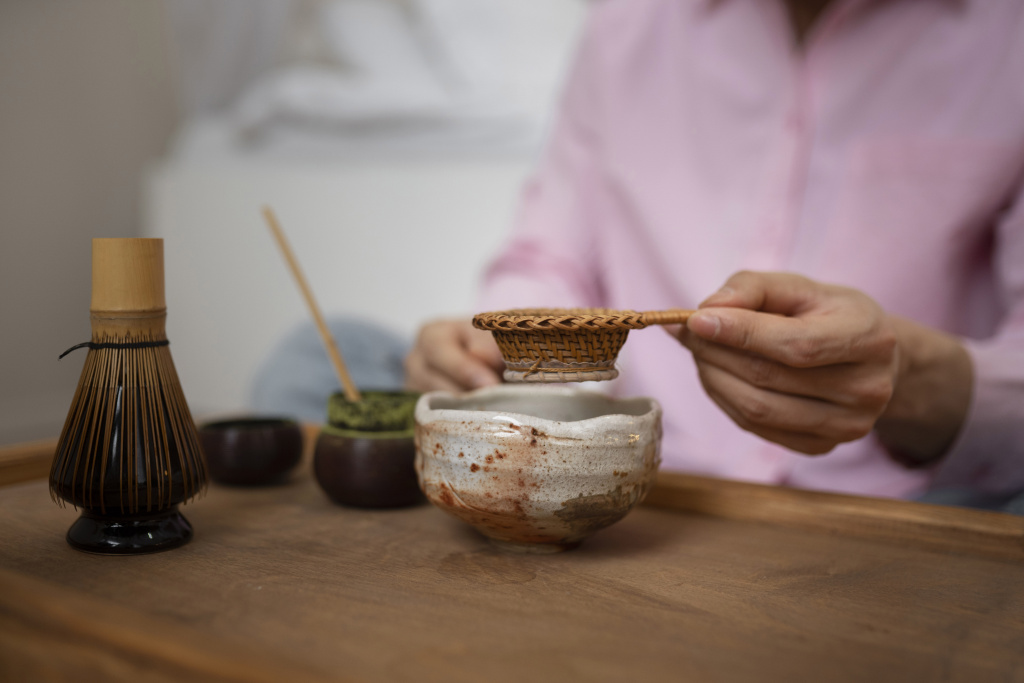
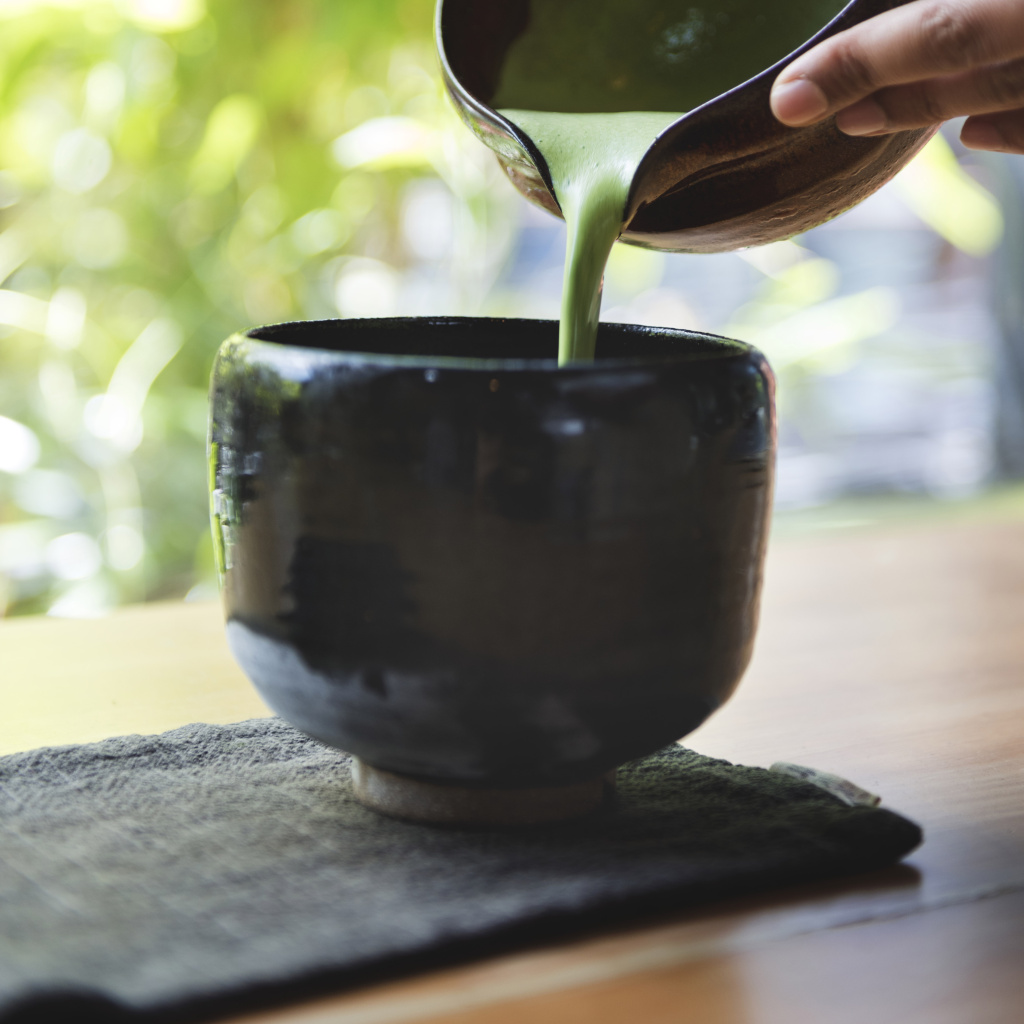
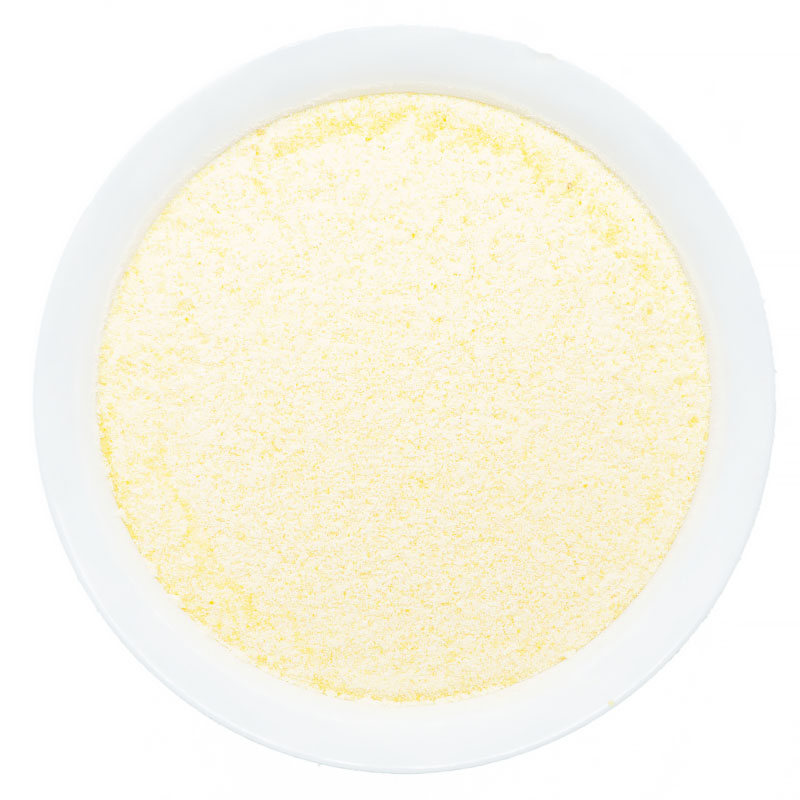
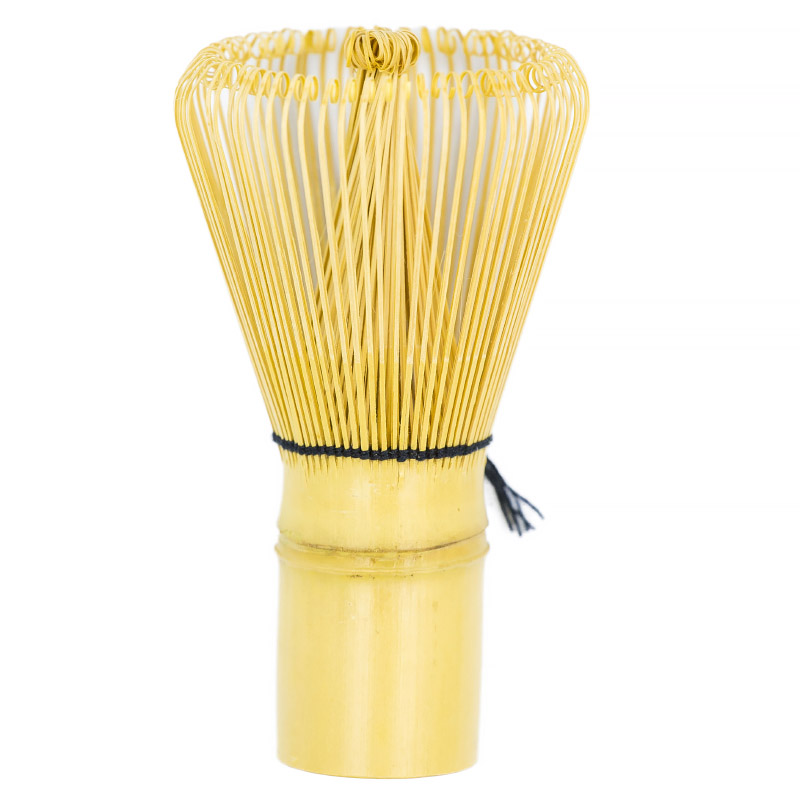
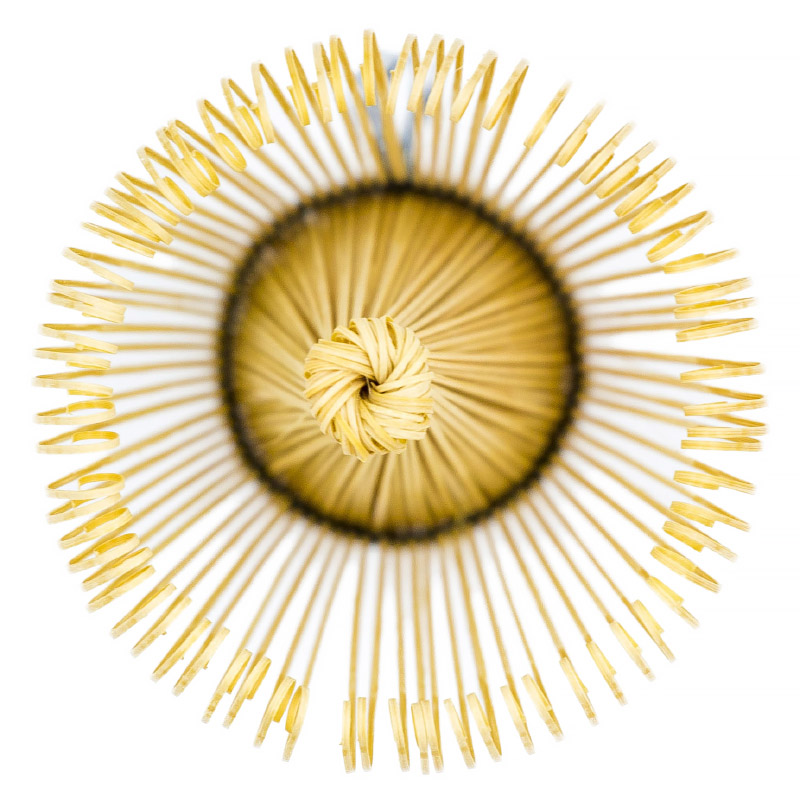
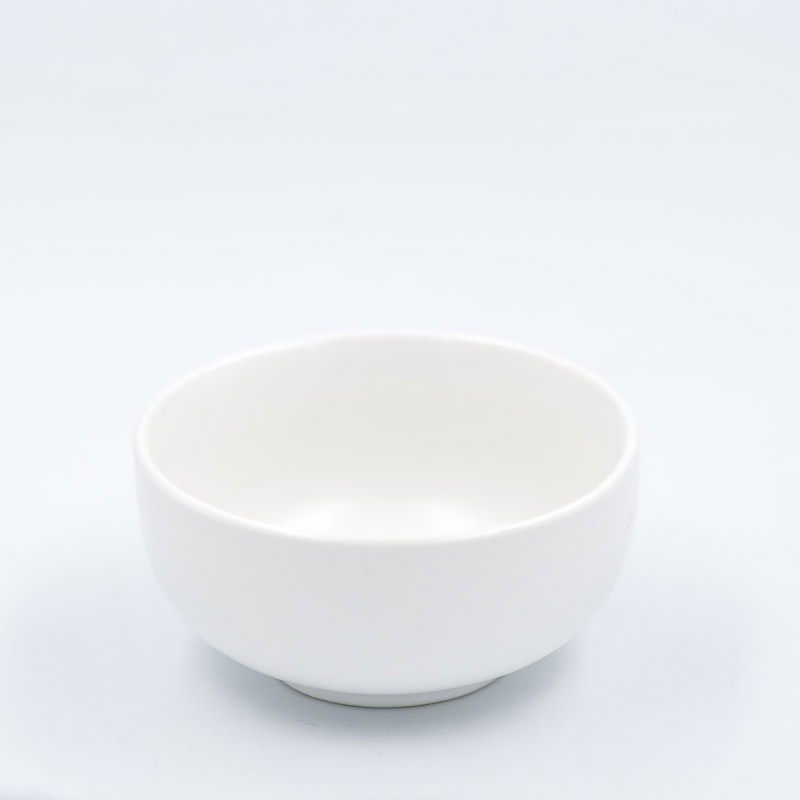
In Japanese tradition, matcha takes center stage. Powdered green tea is whisked with a bamboo chasen into silky foam and served in a special bowl — chawan. It is a minimalist yet profound ritual about presence and sharing the moment.
Why It’s Relevant Today
Tea ceremonies fit perfectly with modern wellness, mindfulness, and slow-living trends. They are held in teahouses, at festivals, creative spaces, and even as corporate teambuildings. The ritual helps to truly pause and taste not only tea but the moment itself.
Home Tea Ceremony: Simple Guide
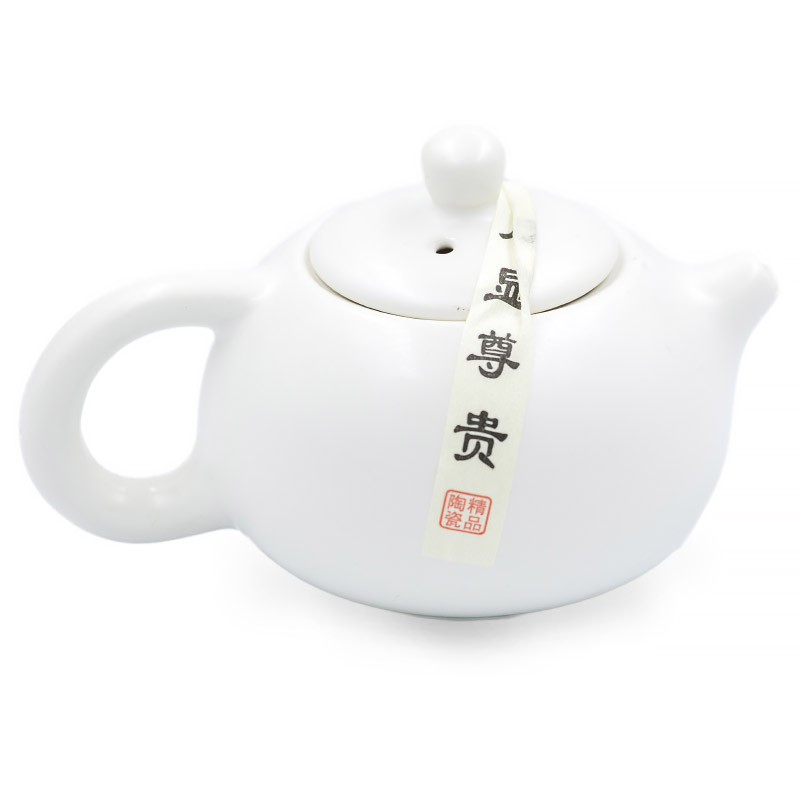
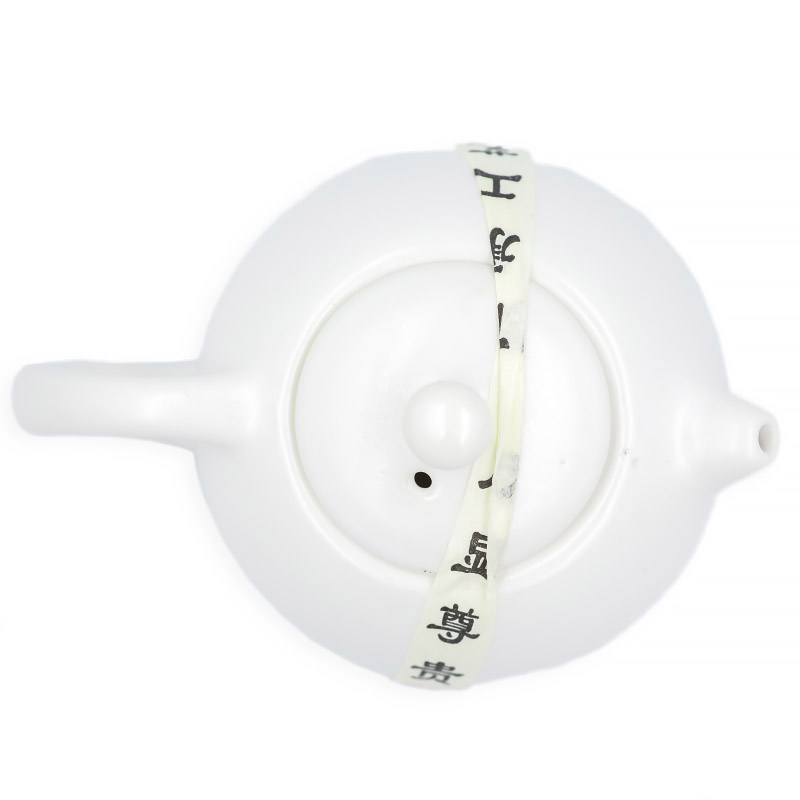
- Teaware: gaiwan or small teapot, several cups.
- Atmosphere: clean table, soft lighting, silence or gentle music.
- Process: make 3–5 short infusions, observe how aroma and taste evolve.
- Focus: drink slowly, mindfully — this is the essence of the ceremony.
Best Teas for a Ceremony
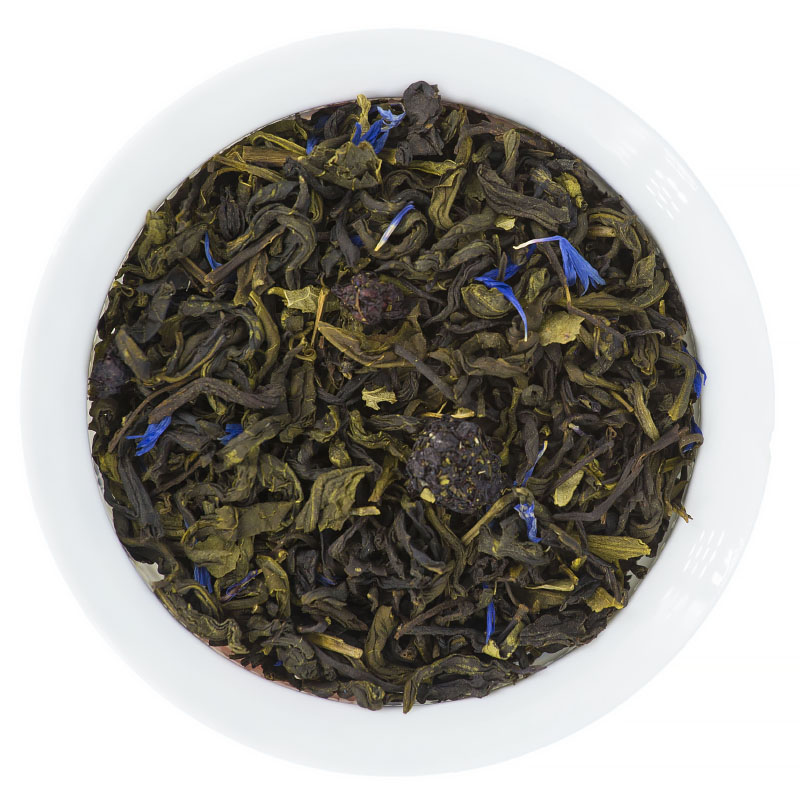
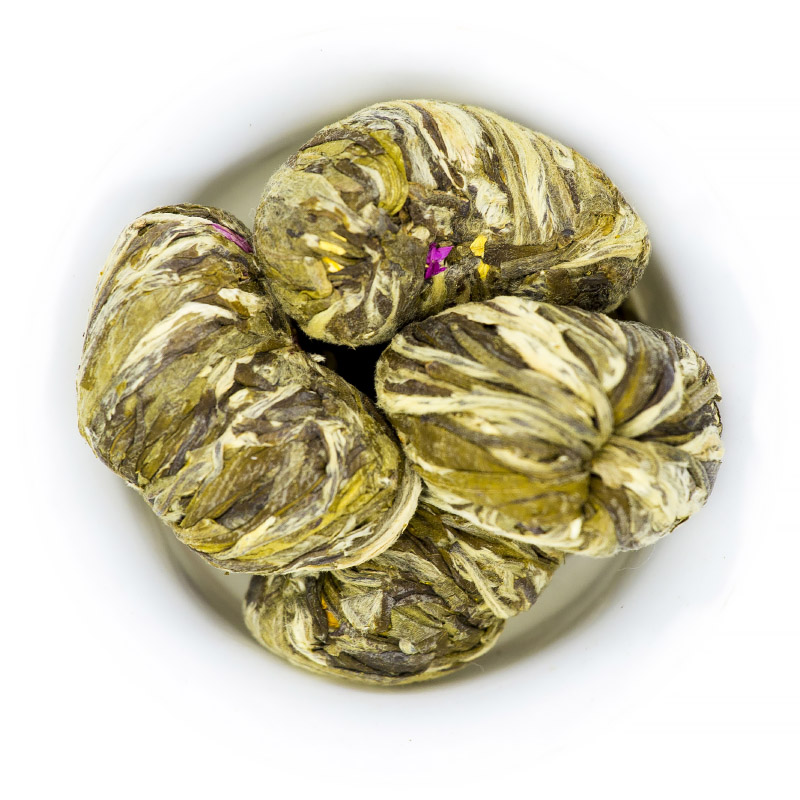
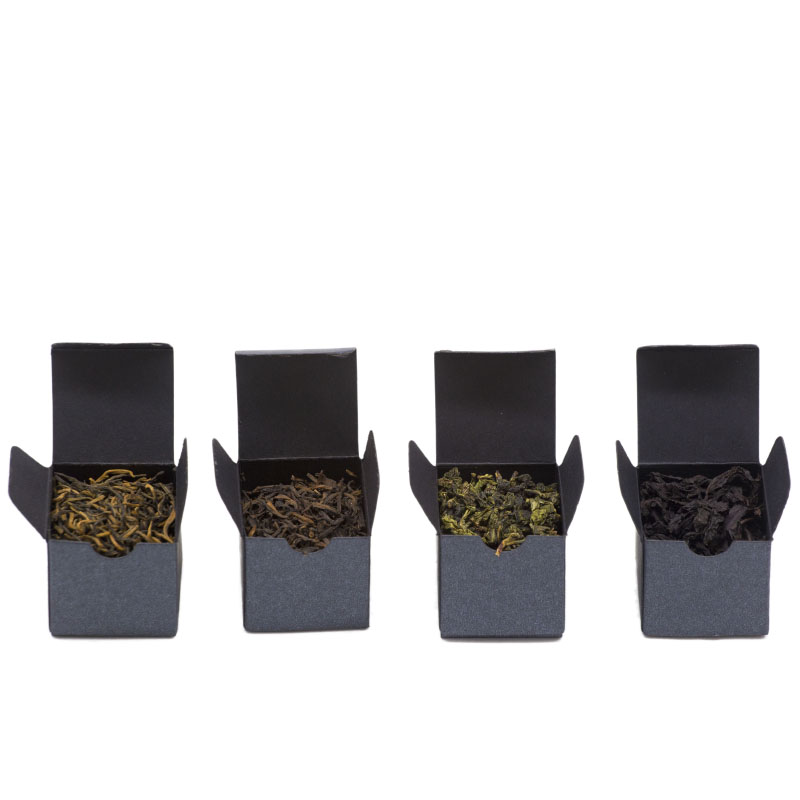
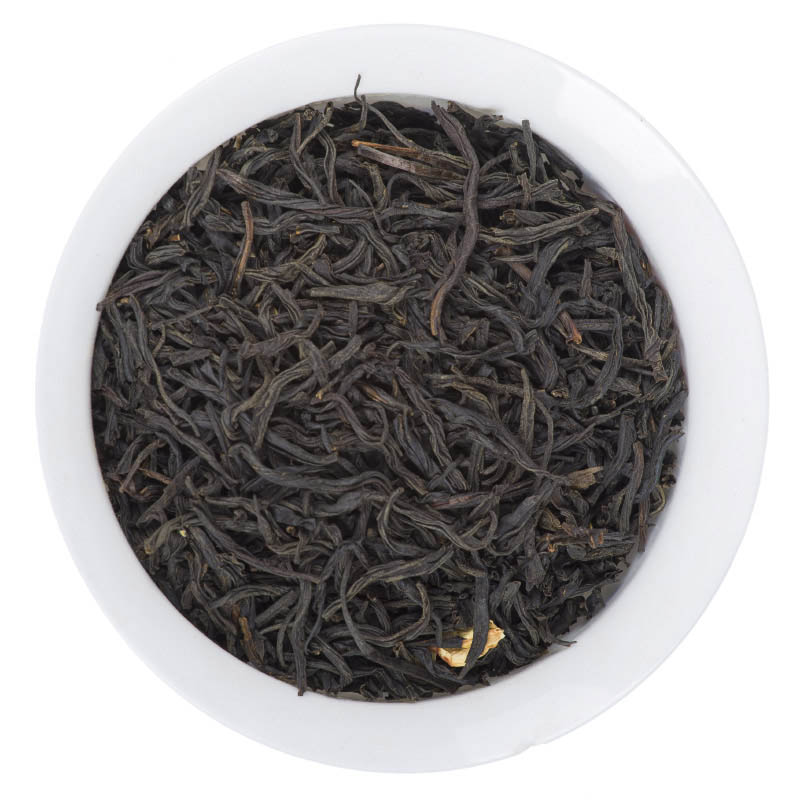
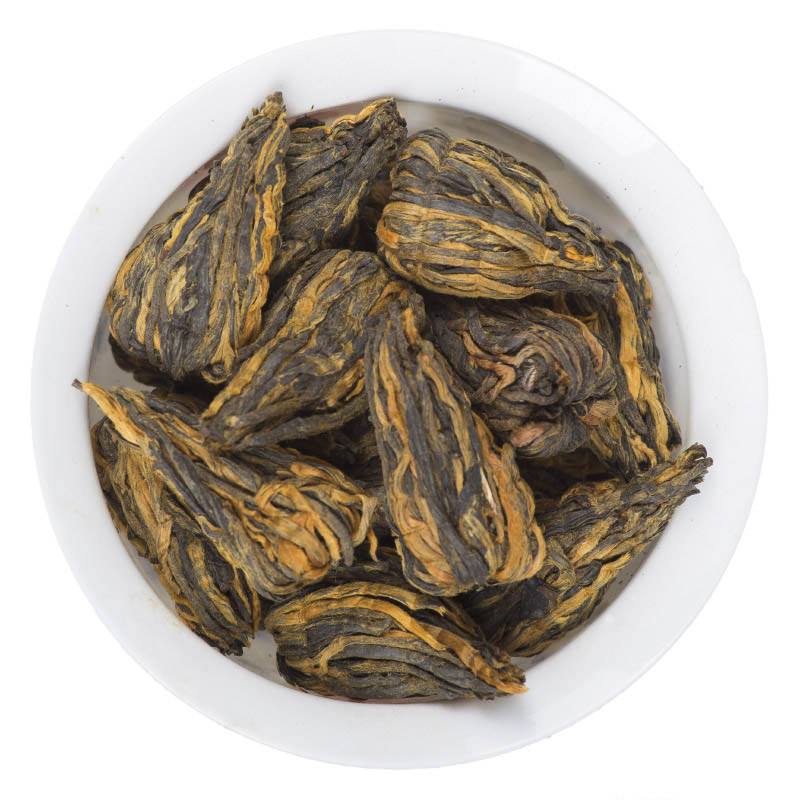
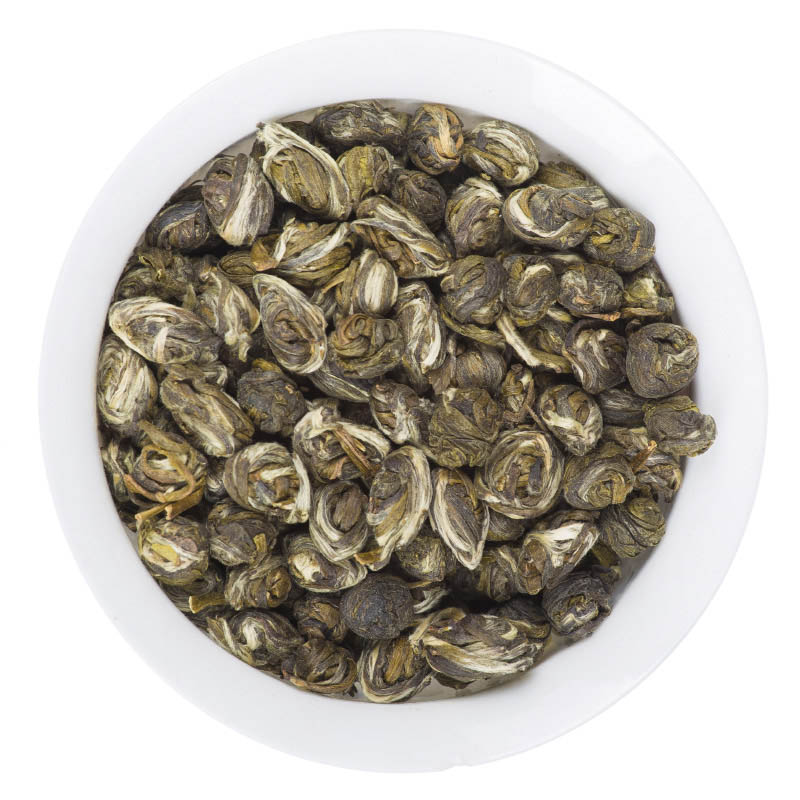
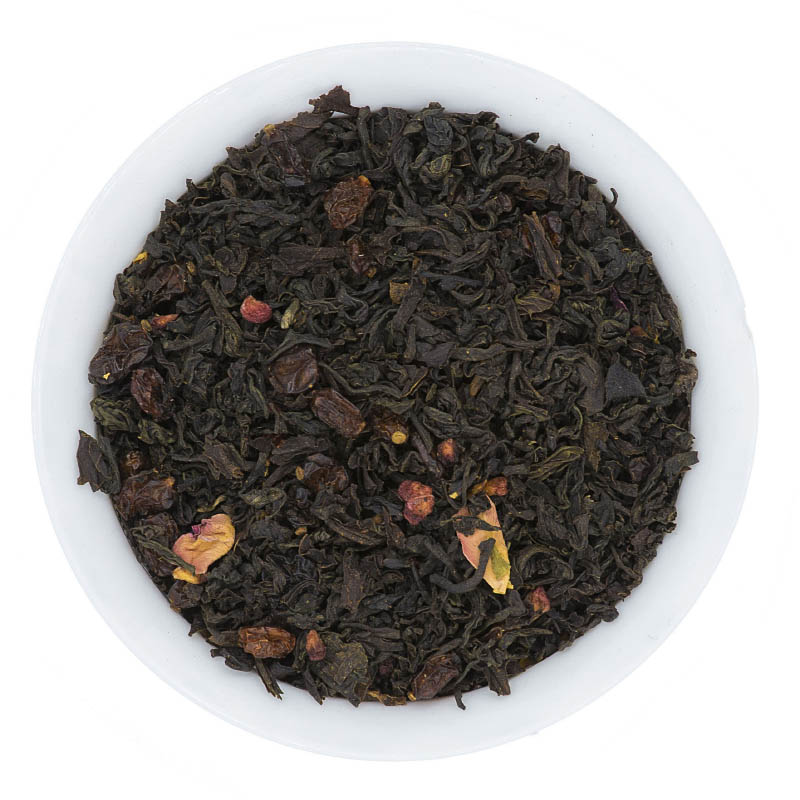
The ritual beautifully highlights complex, layered teas:
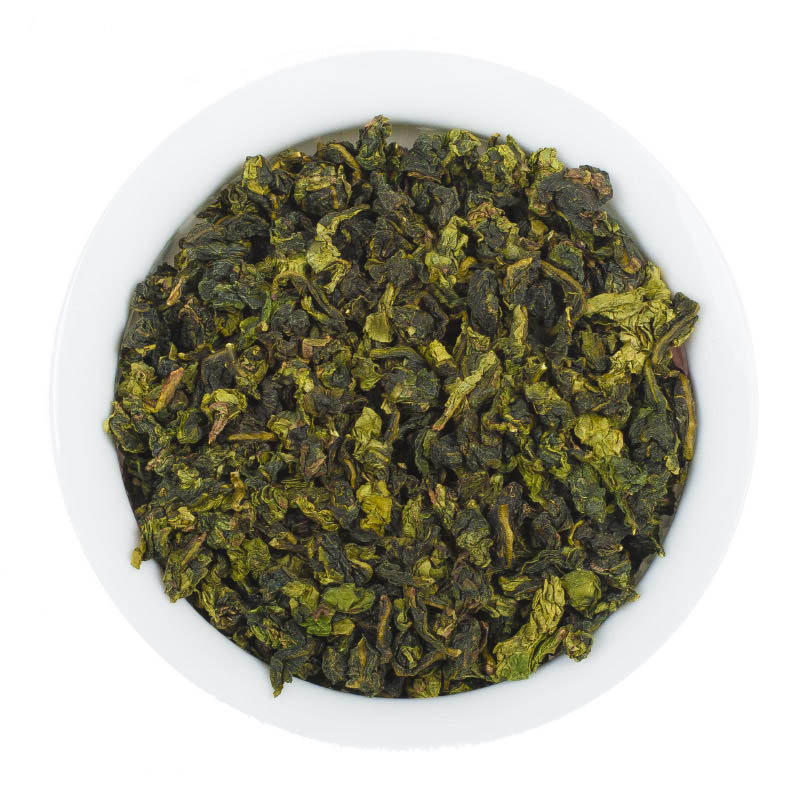
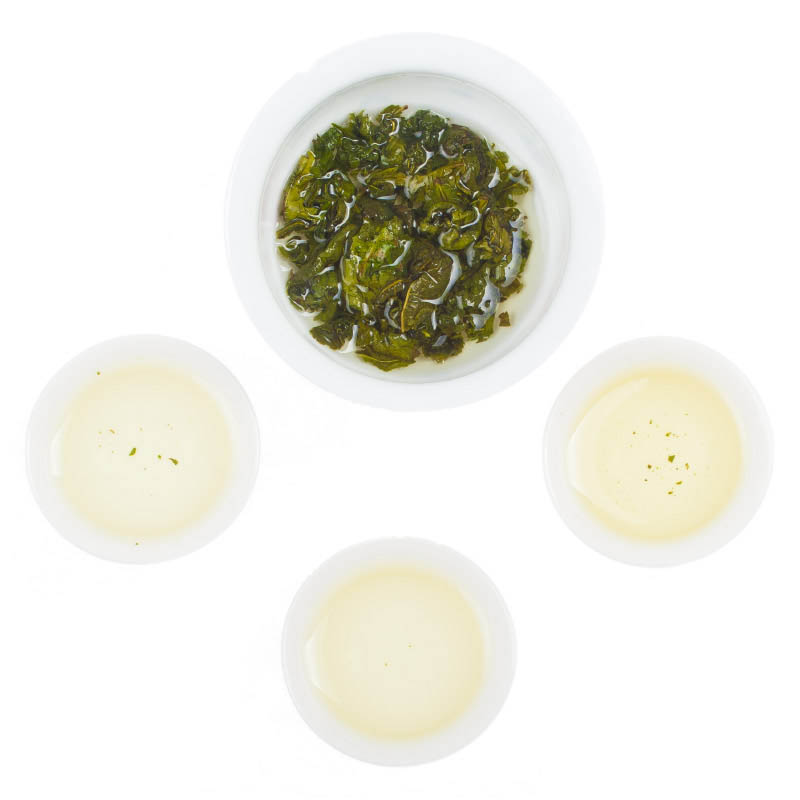
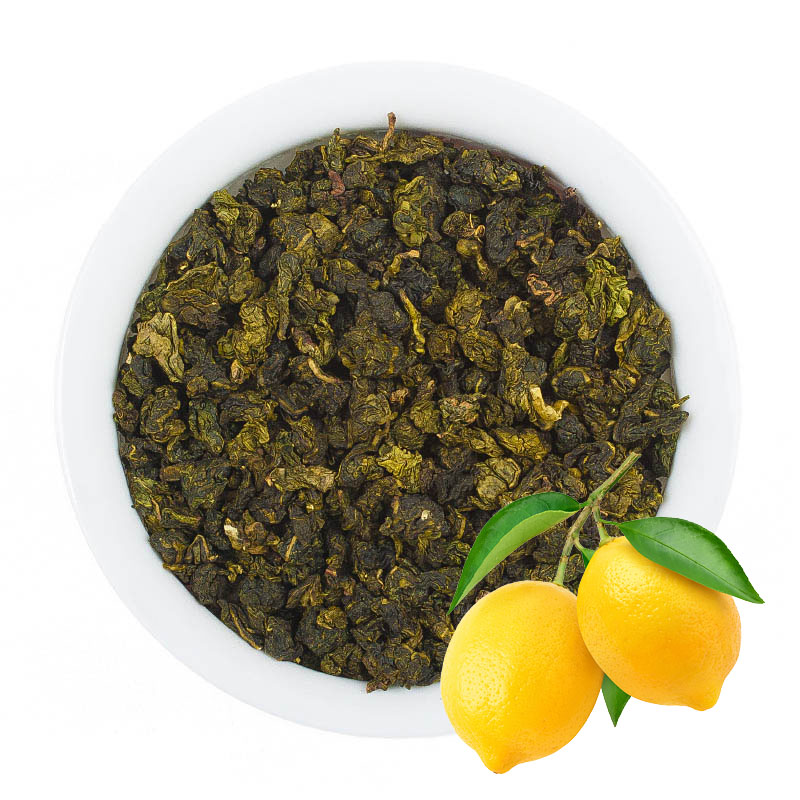
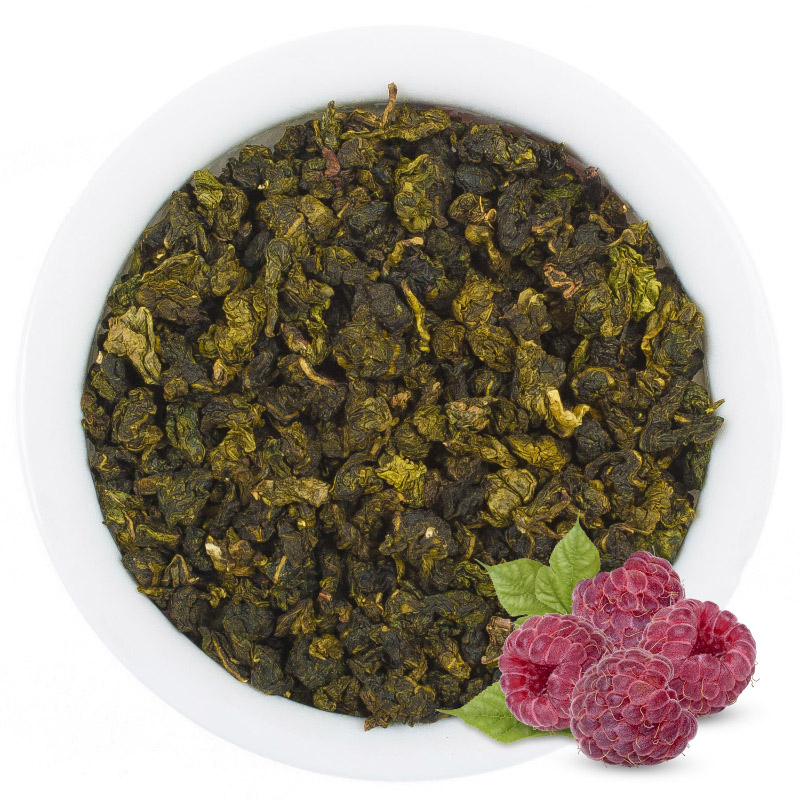
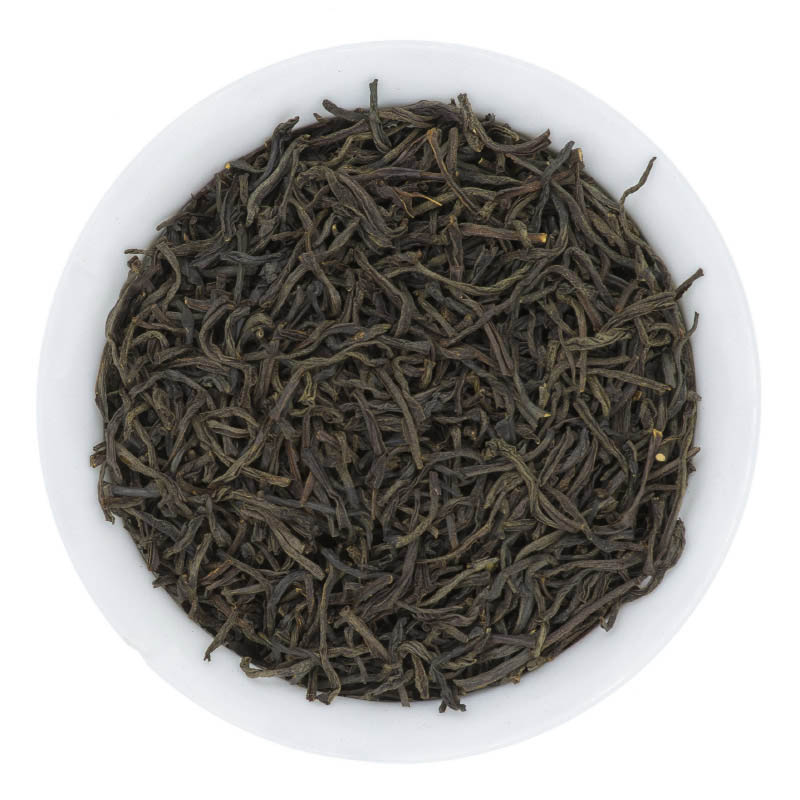
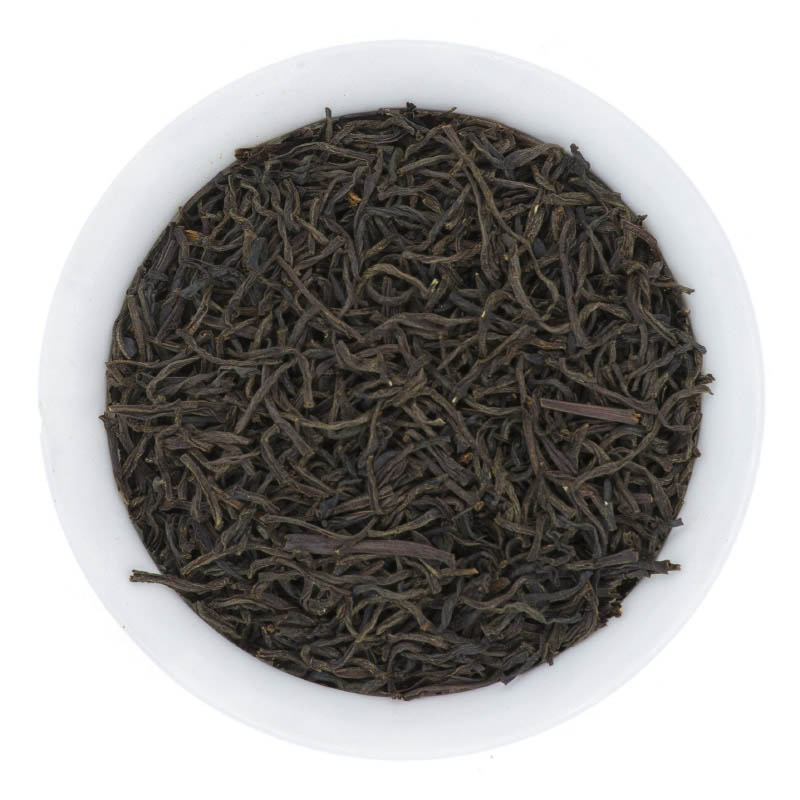
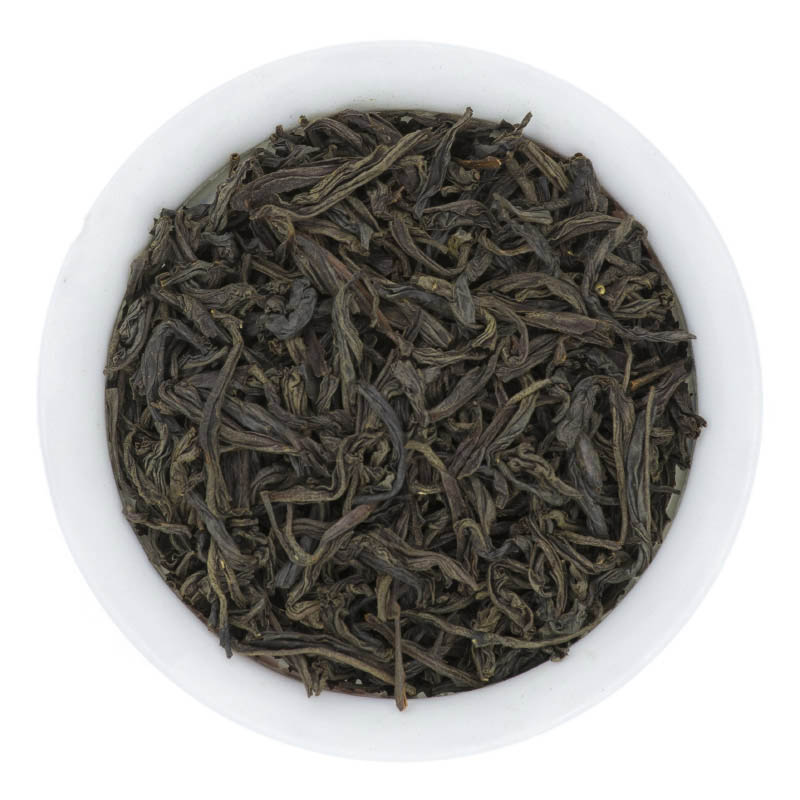
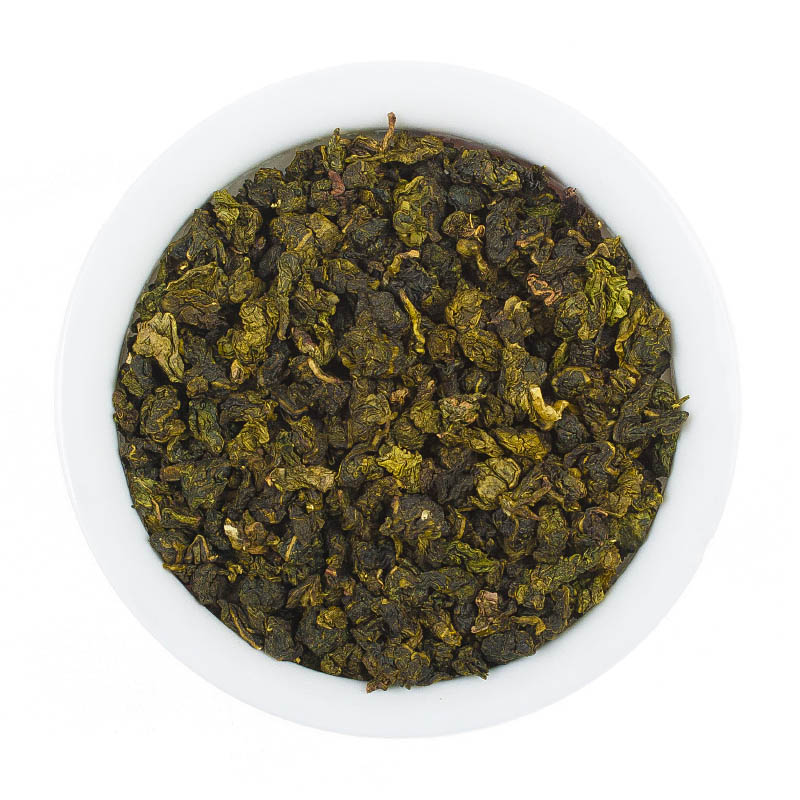
- Oolongs — elastic in taste, great for multiple infusions;
- Da Hong Pao — a noble rock oolong with rich texture;
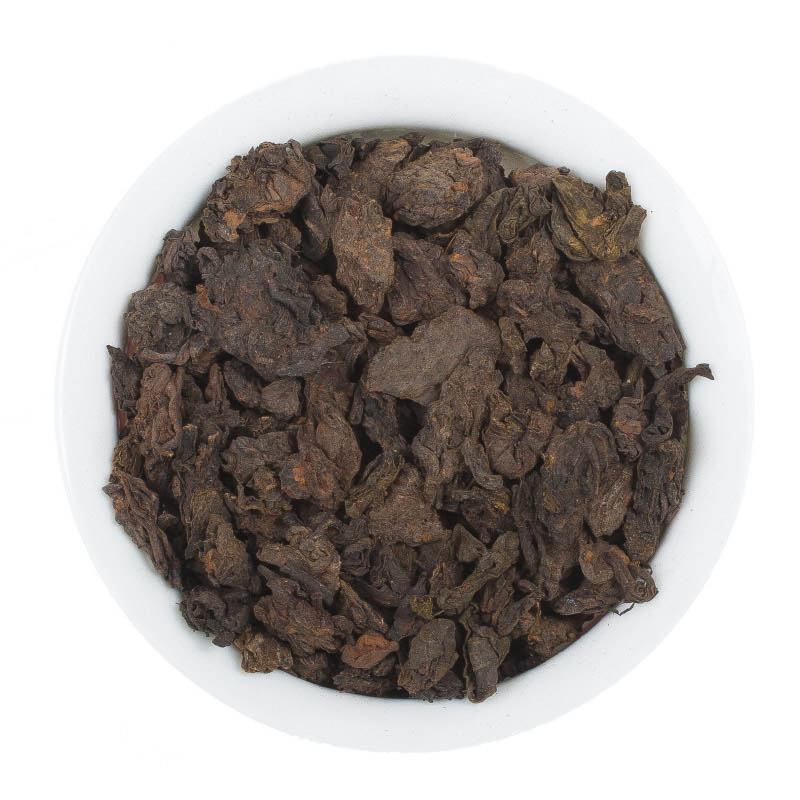
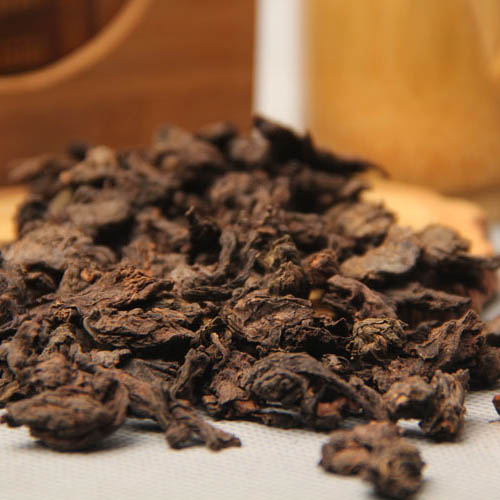
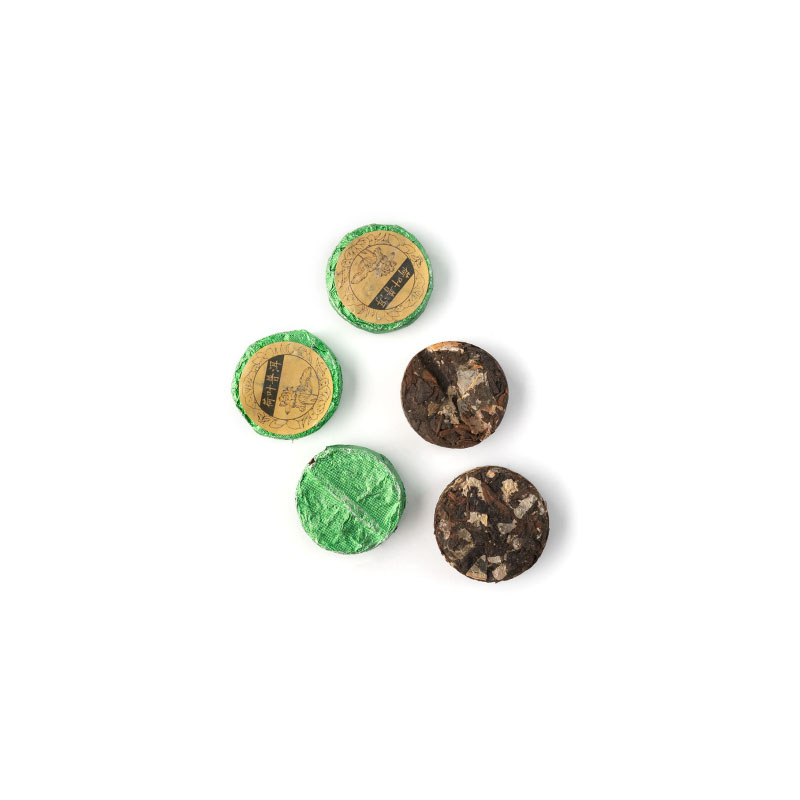
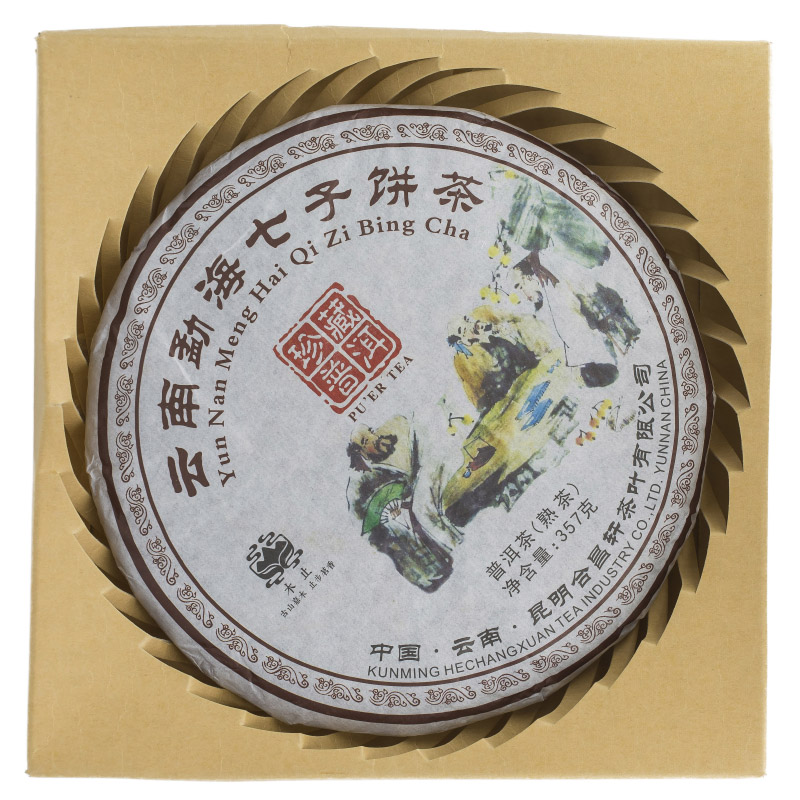
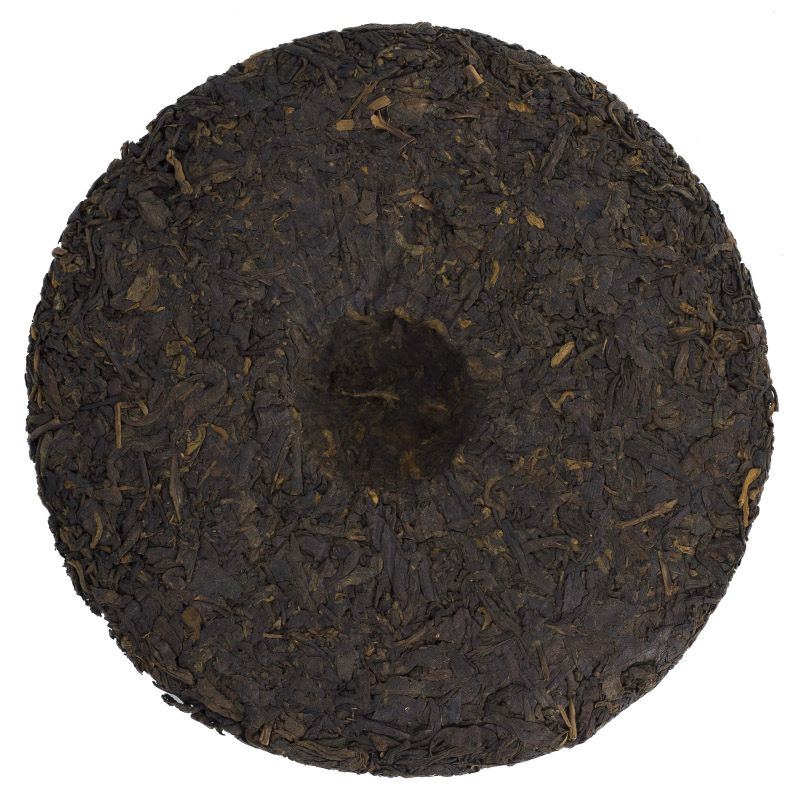
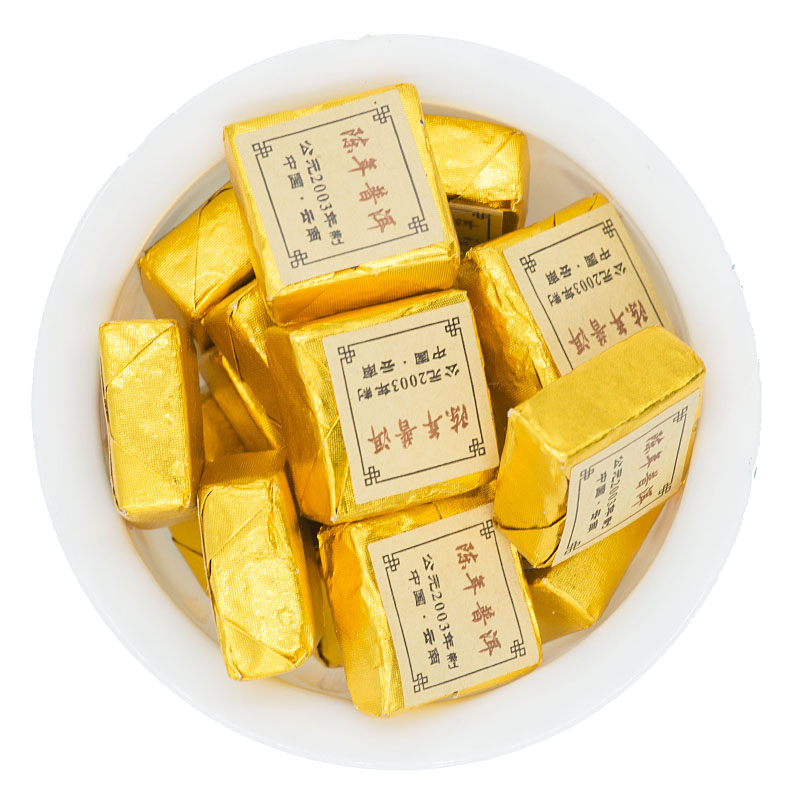
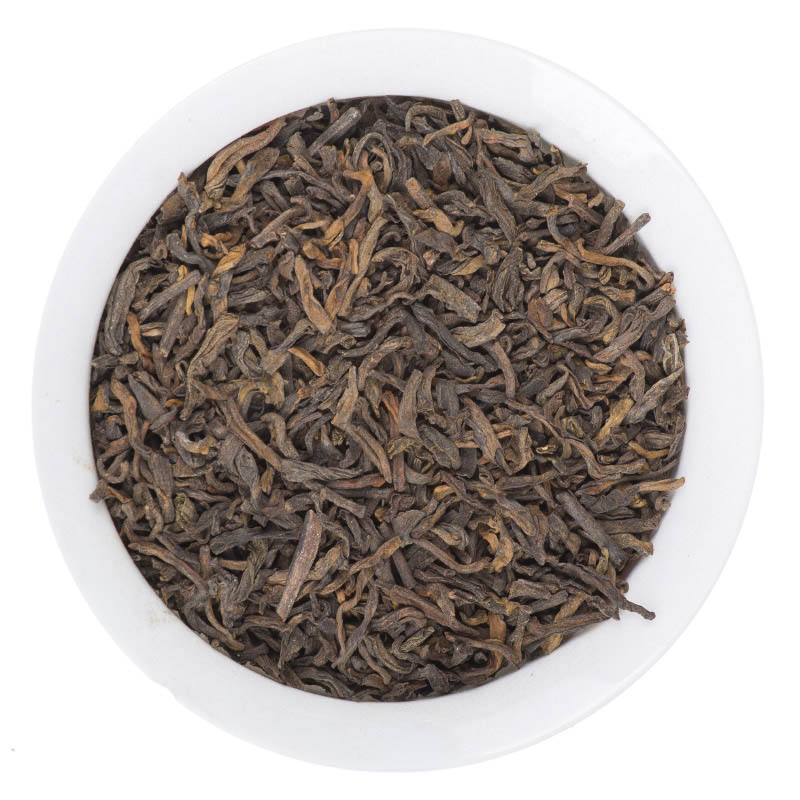
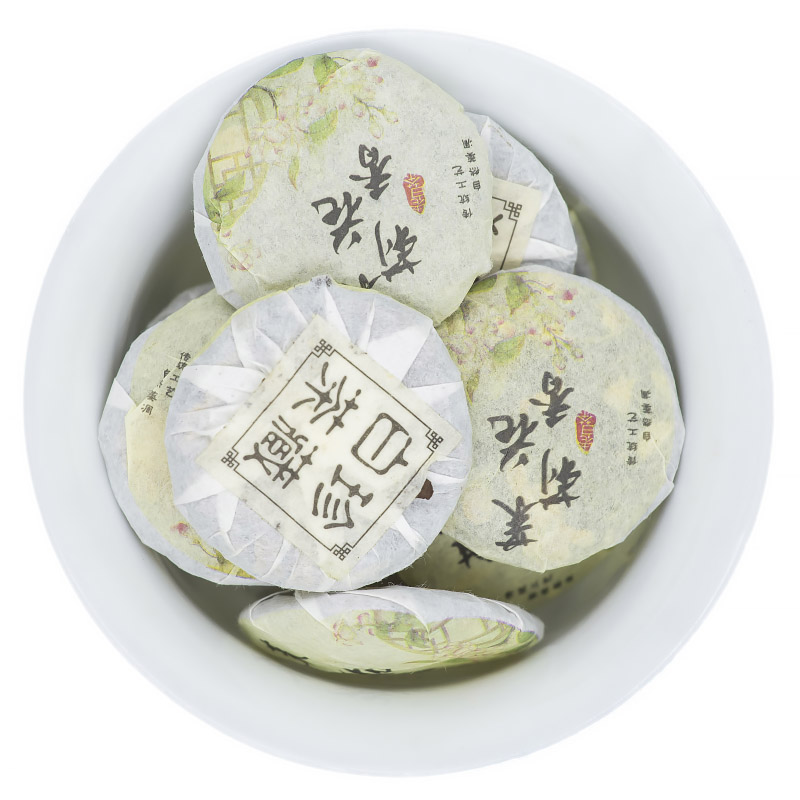
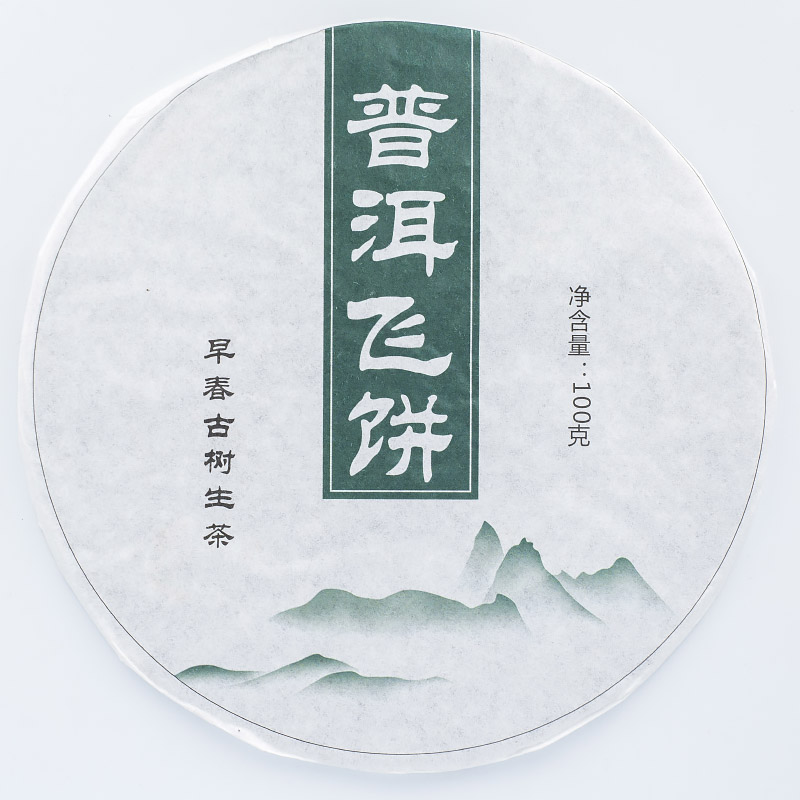
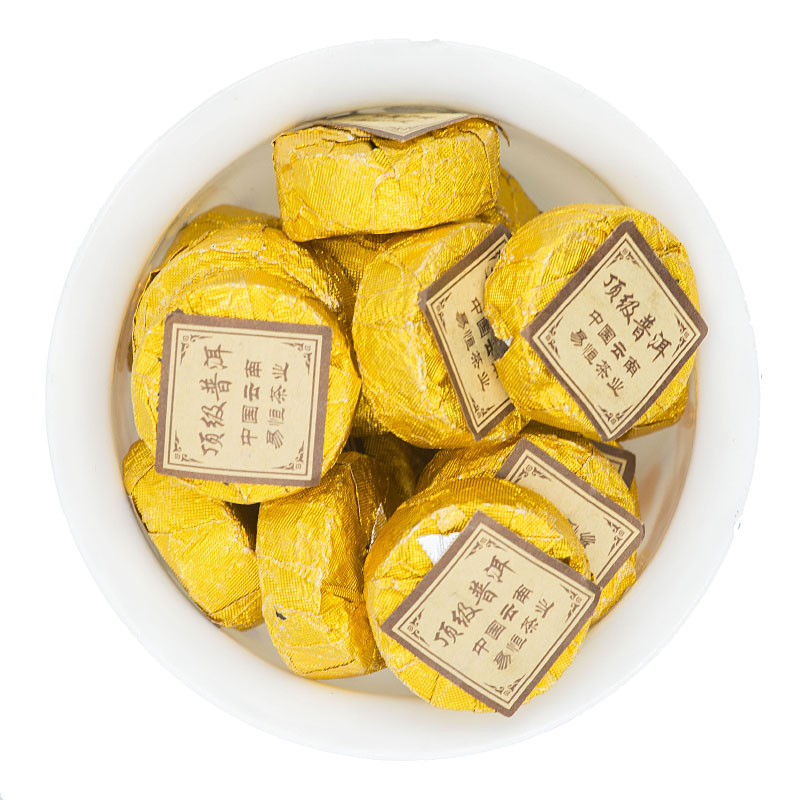
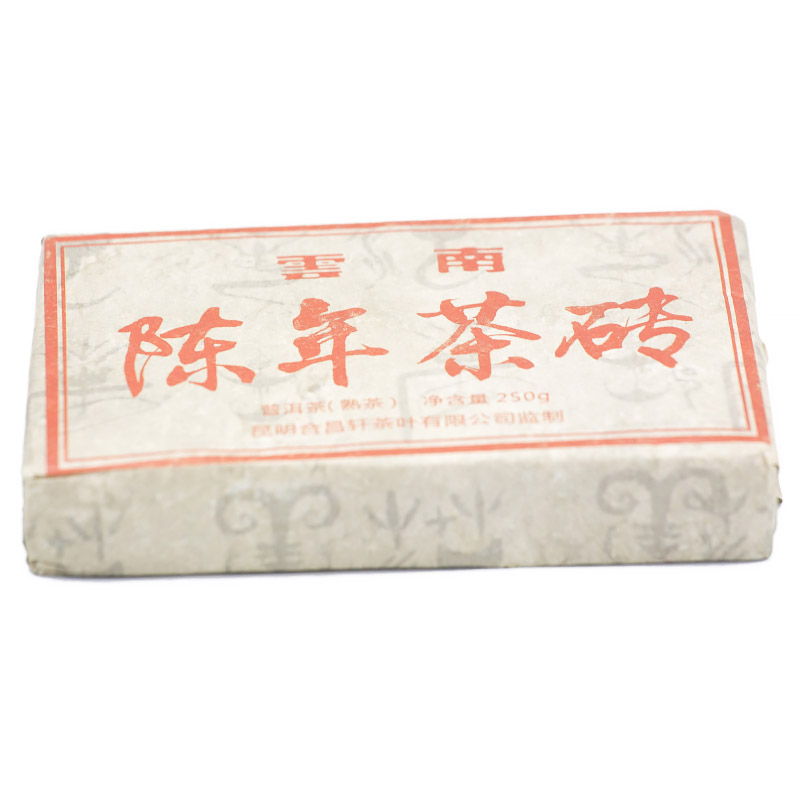
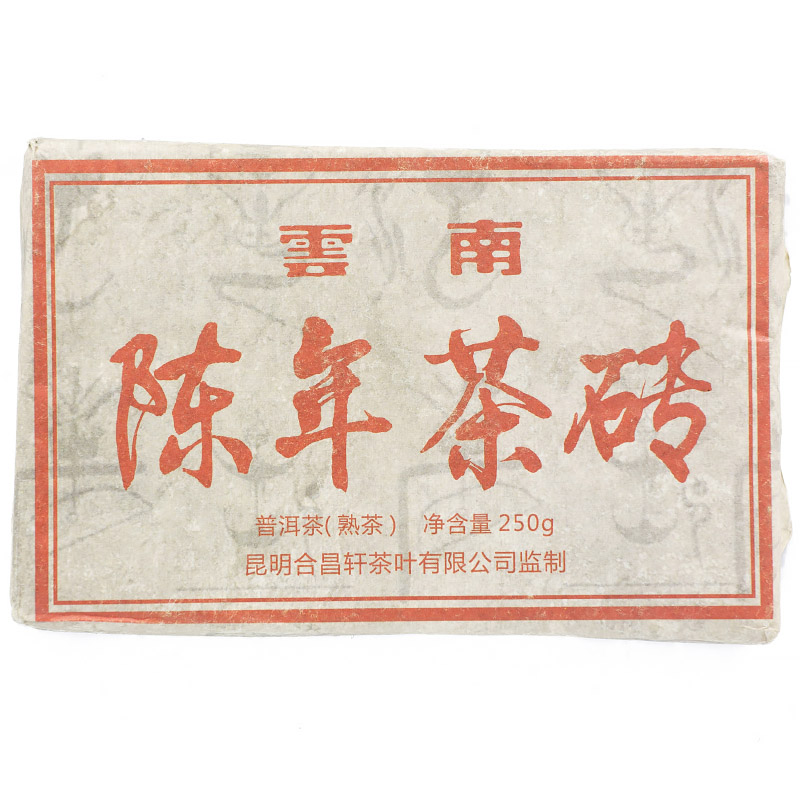
- Pu-erh — meditative depth and long aftertaste;
- Gaba — gentle balance and relaxing effect;
- Matcha — the heart of Japanese ceremony.















 We are on Instagram