


Contents:
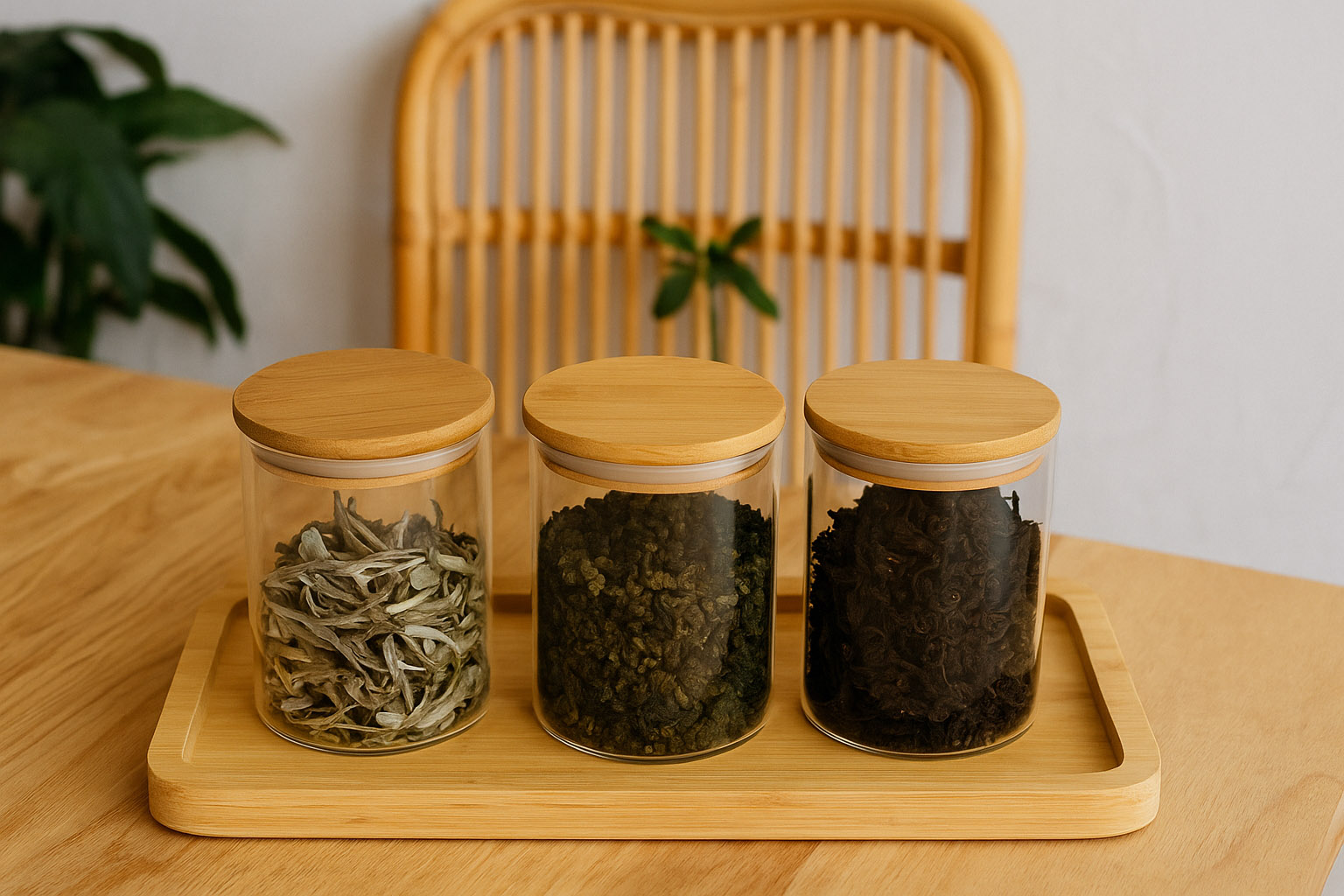
“Tea holds eternity itself!” — says Eastern wisdom. But for this eternity to truly work, it’s important to know how to store tea properly. In this article, I’ll share my personal experience and tips on extending the shelf life of your favorite teas.
Hun Pei: Roasting to Revive Tea
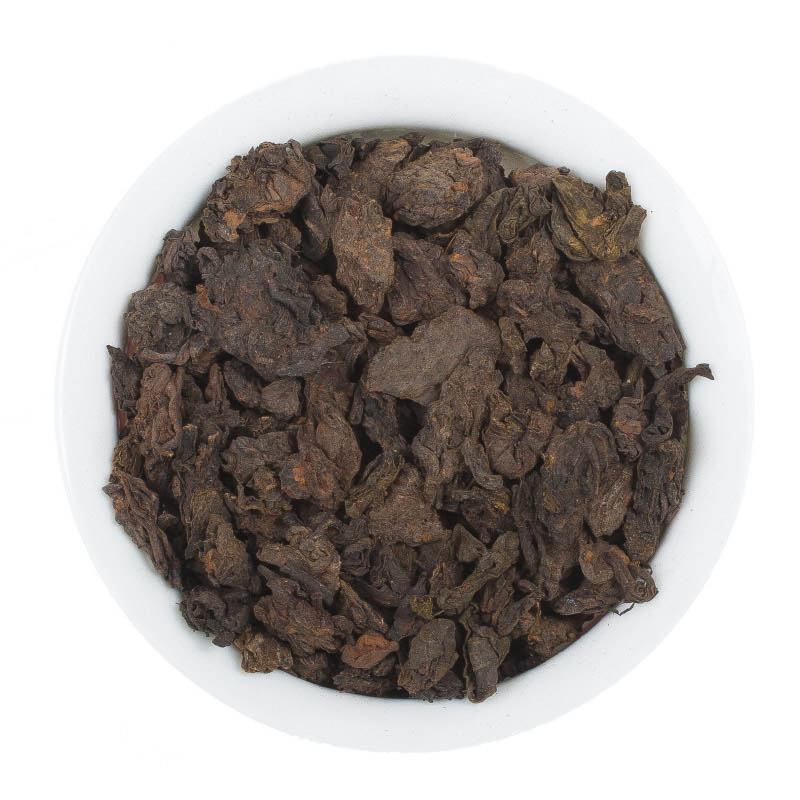
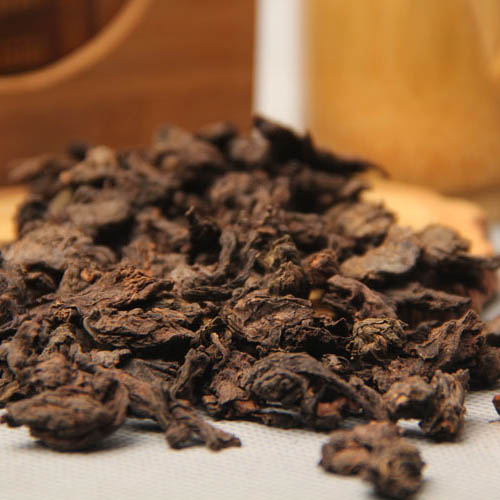
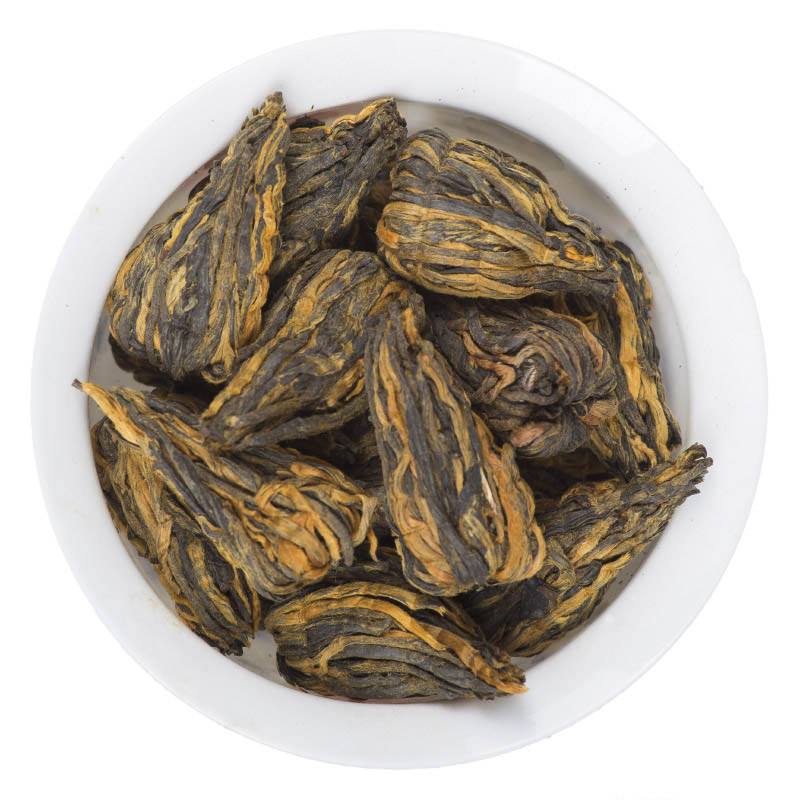
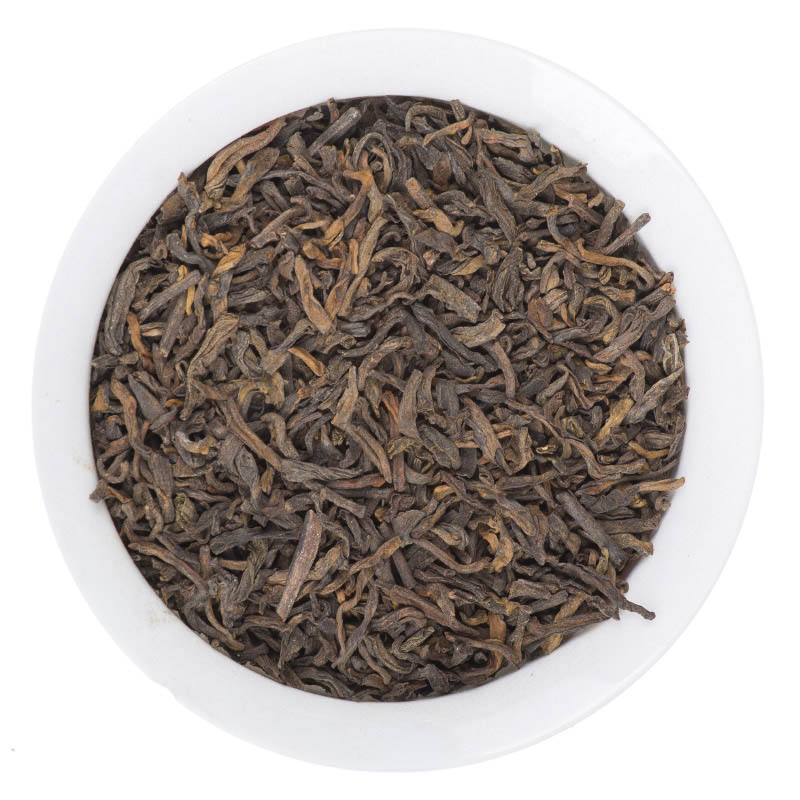
If dark oolong, red tea or pu-erh has “tired,” there is a special technique called hun pei, or additional roasting. It helps restore aroma intensity and makes the infusion richer.
The Best Company for Tea
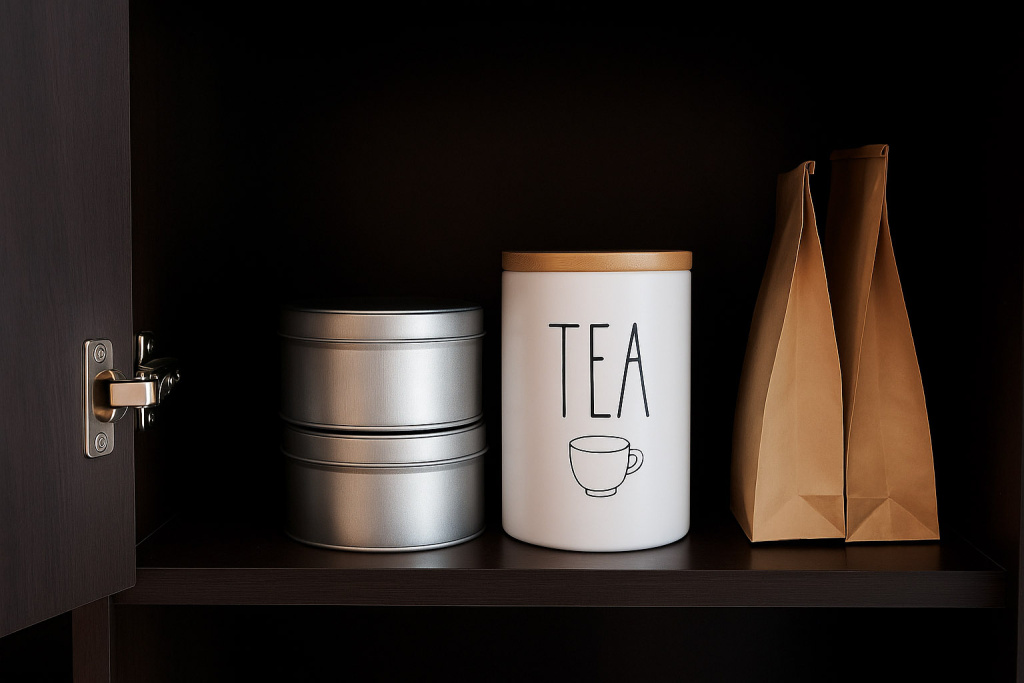
Tea easily absorbs smells and light, so choosing the right storage spot is crucial:
- A dark room or cabinet with airtight doors.
- Airtight packaging, preferably vacuum-sealed.
- Temperature between +2 and +10°C, without sharp fluctuations.
Tea Needs Care
I always tell my customers: tea is an aristocrat that doesn’t tolerate rough treatment. A few simple rules must be followed:
- Airtight containers protect from moisture and oxygen.
- Light is tea’s enemy; it steals its color and aroma.
- A stable microclimate: not too hot, not too cold.
What Is the Shelf Life of Tea?
| Type of Tea | Approximate Shelf Life | Notes |
|---|---|---|
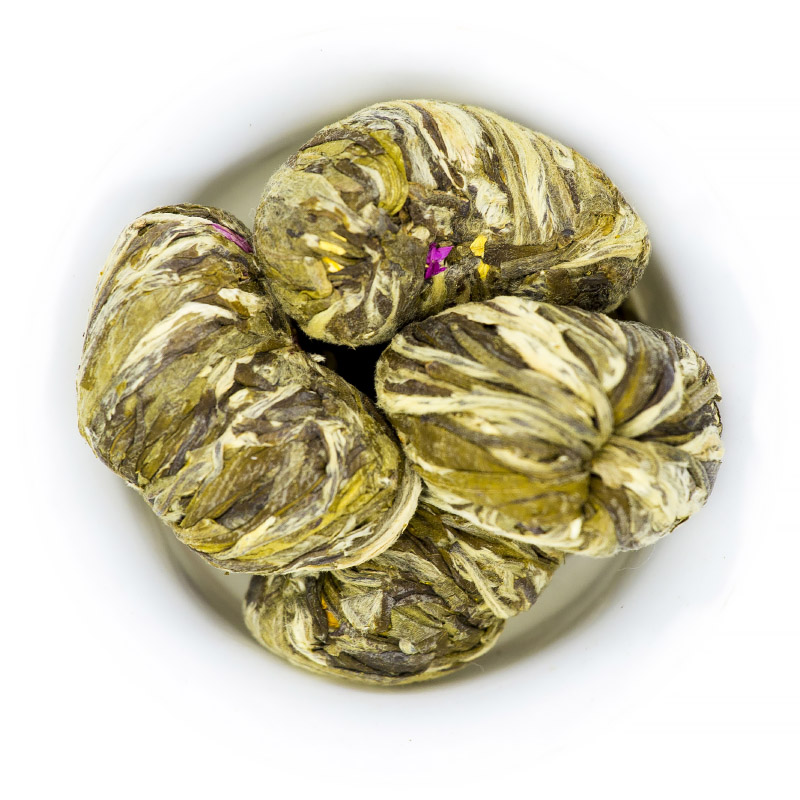
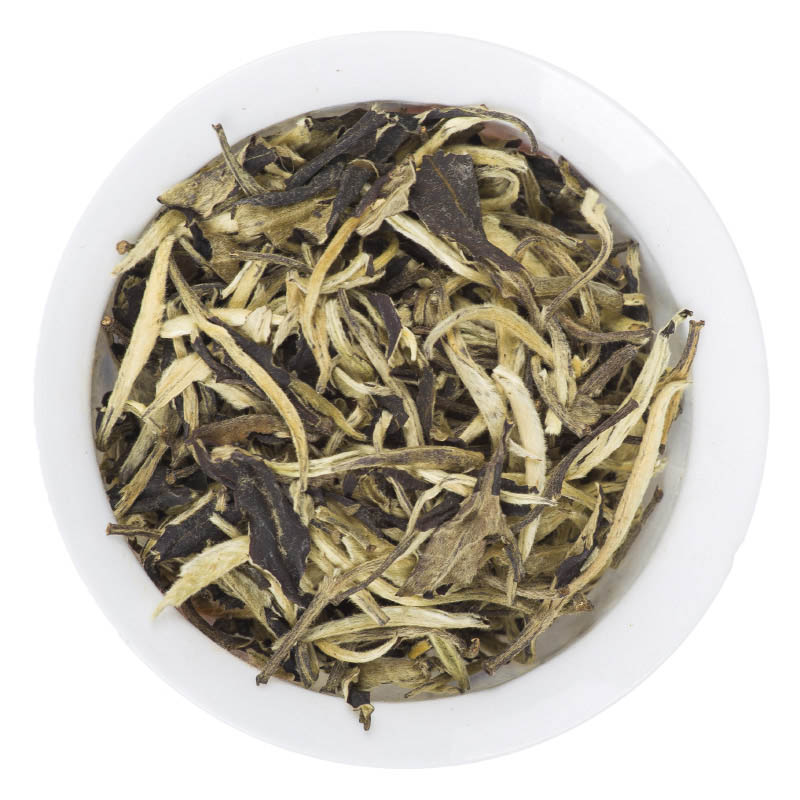
| White Tea | 2–4+ years | With time, its flavor becomes deeper and more valuable. |
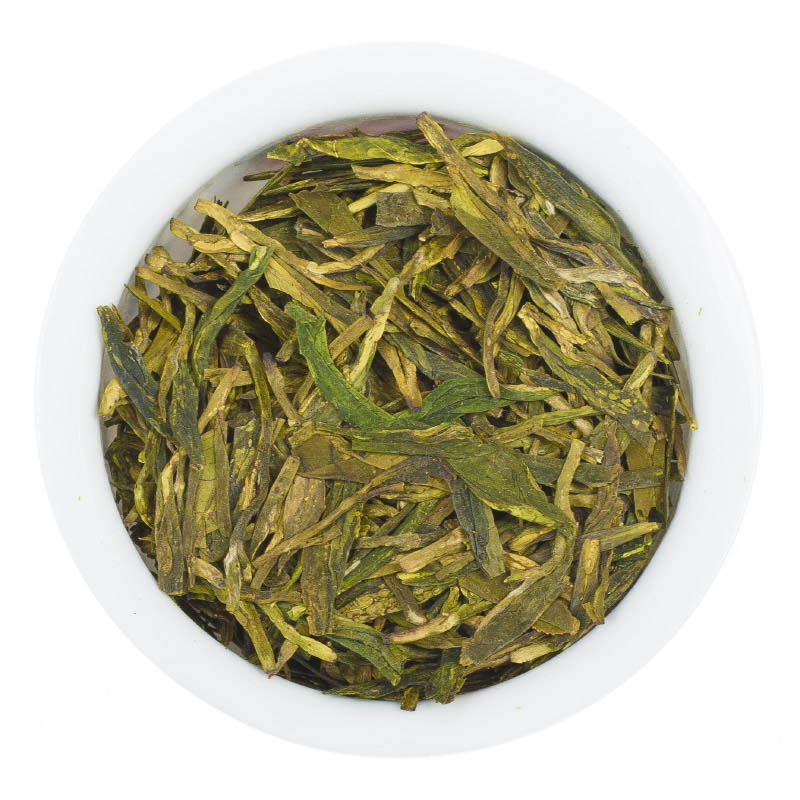
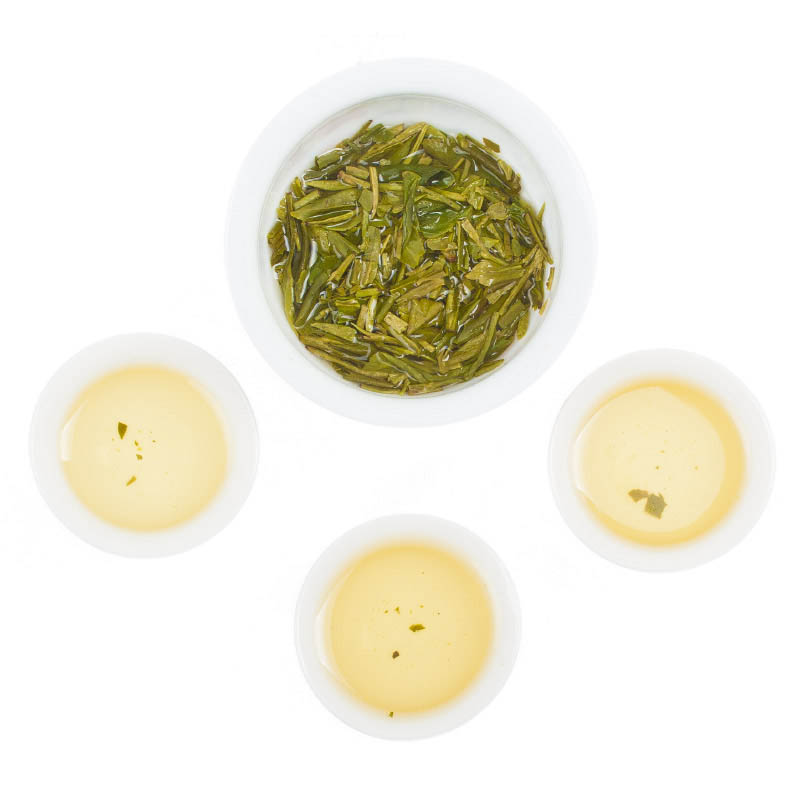
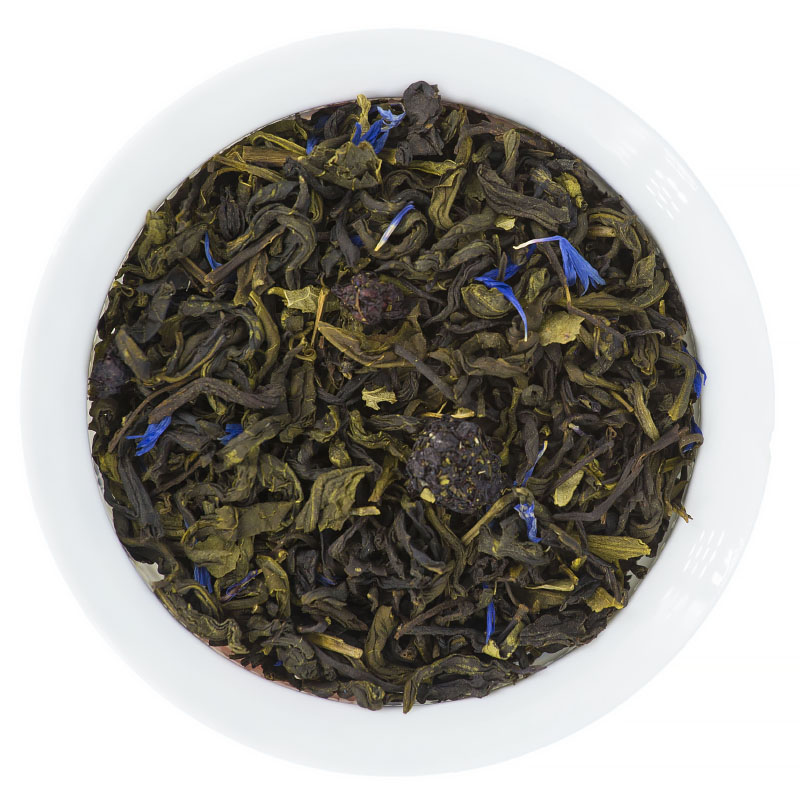
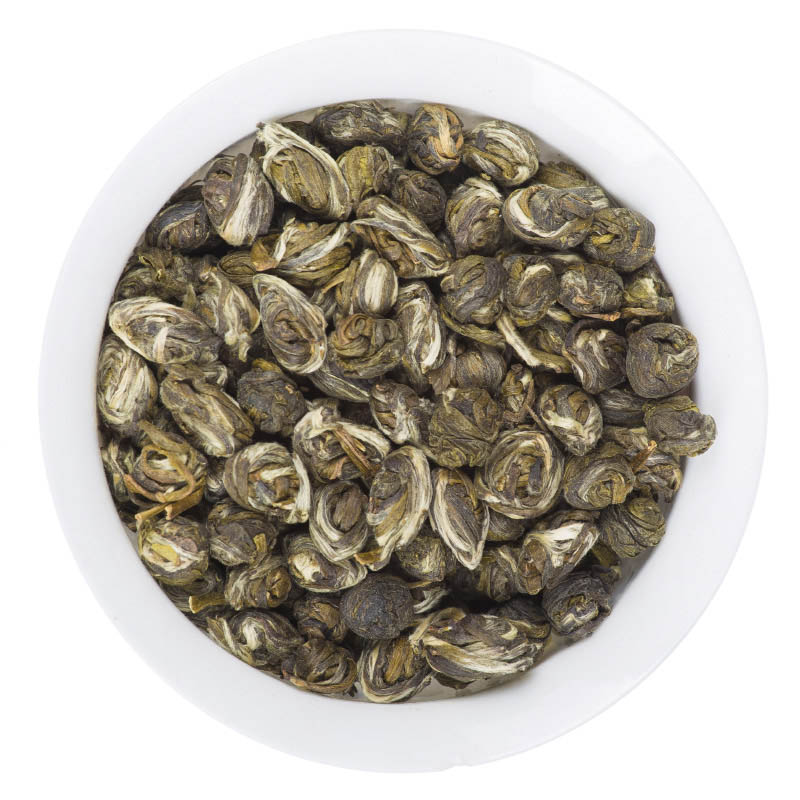
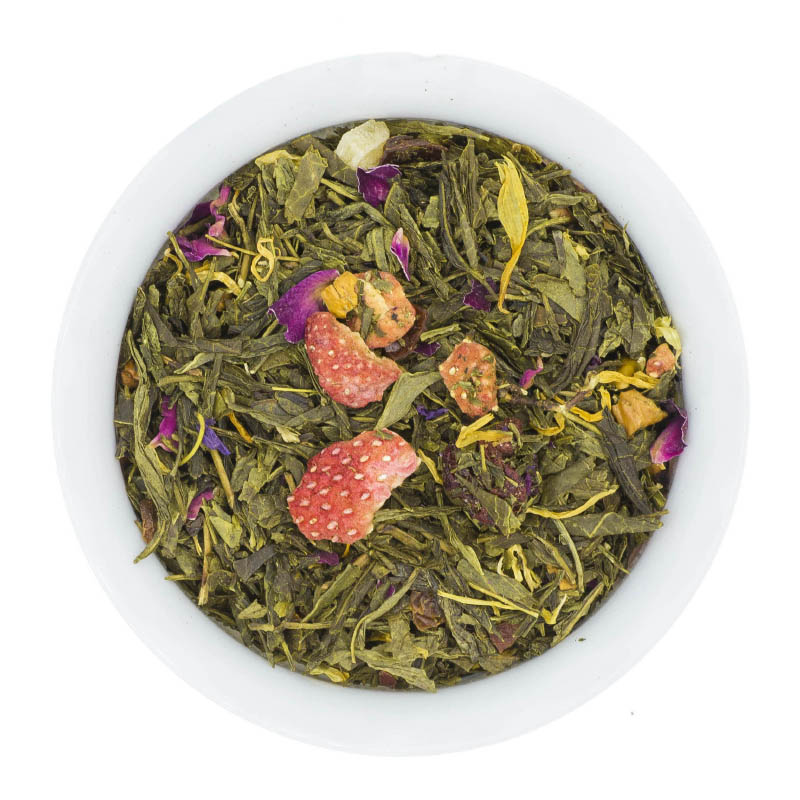
| Green Tea | 6–18 months | Loses freshness quickly, best stored in the refrigerator. |
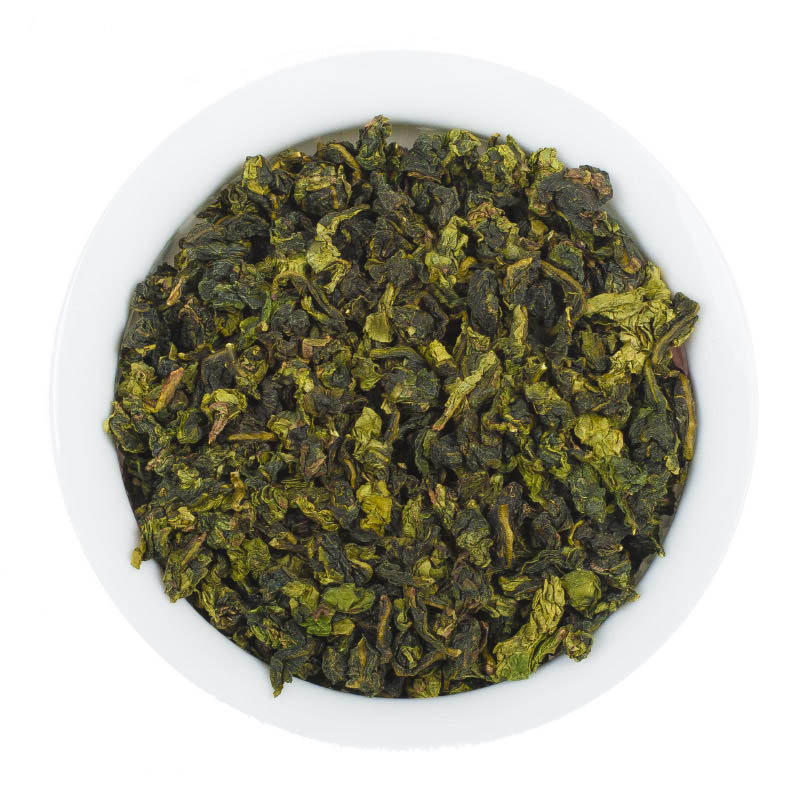
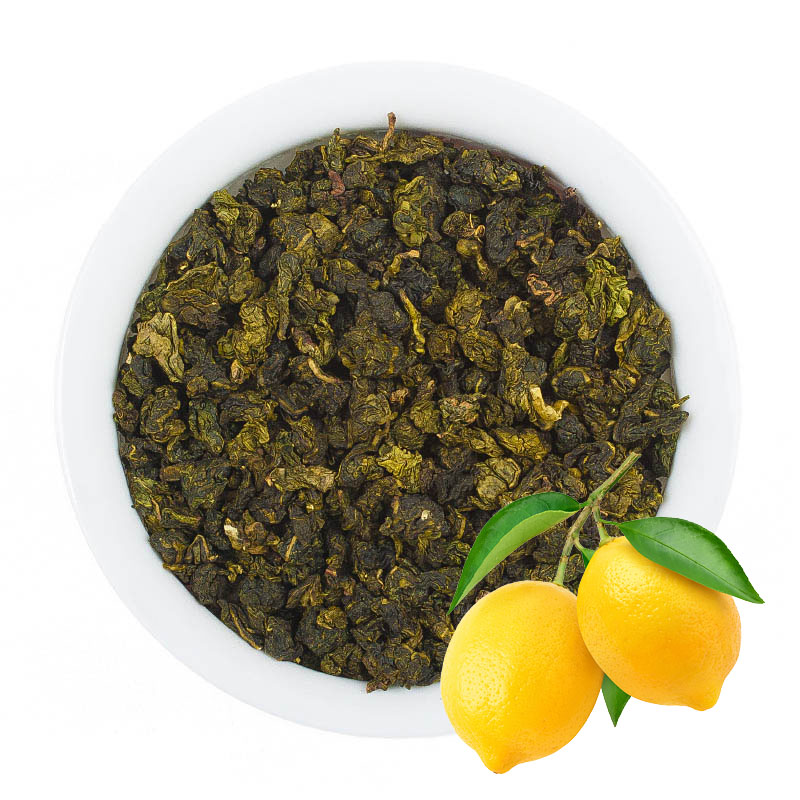
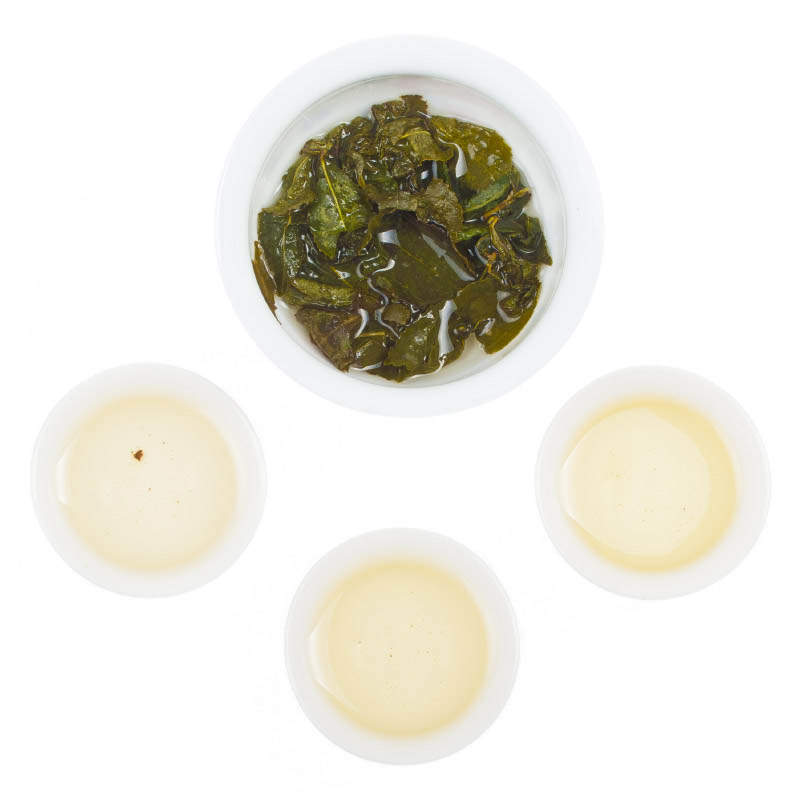
| Oolong | 18–36 months | Light oolongs — up to 18 months, dark oolongs — up to 3 years. |
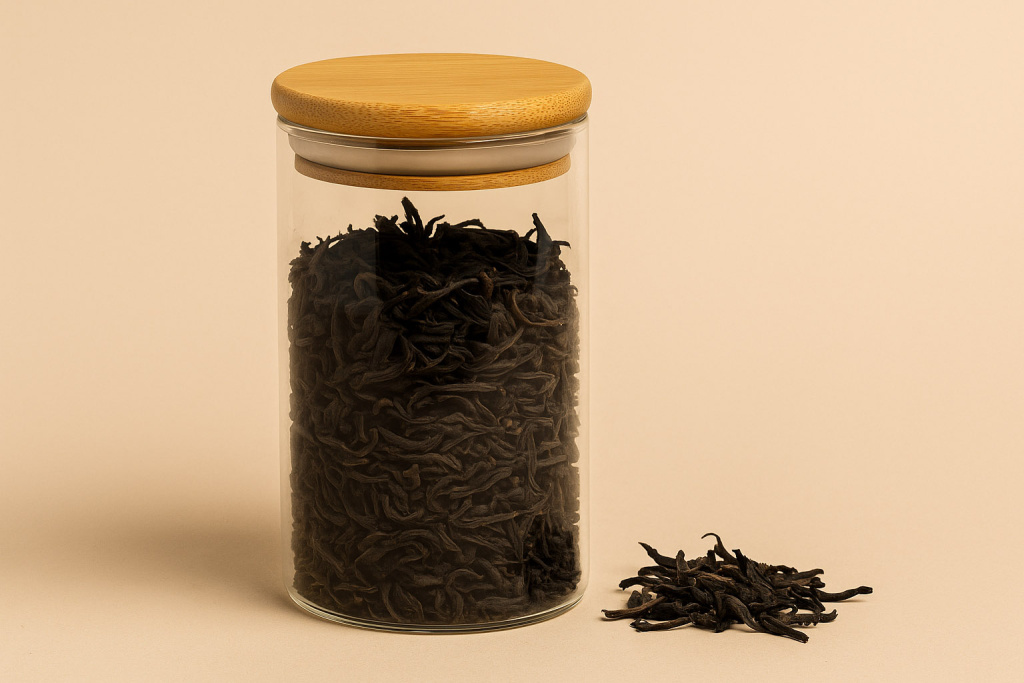
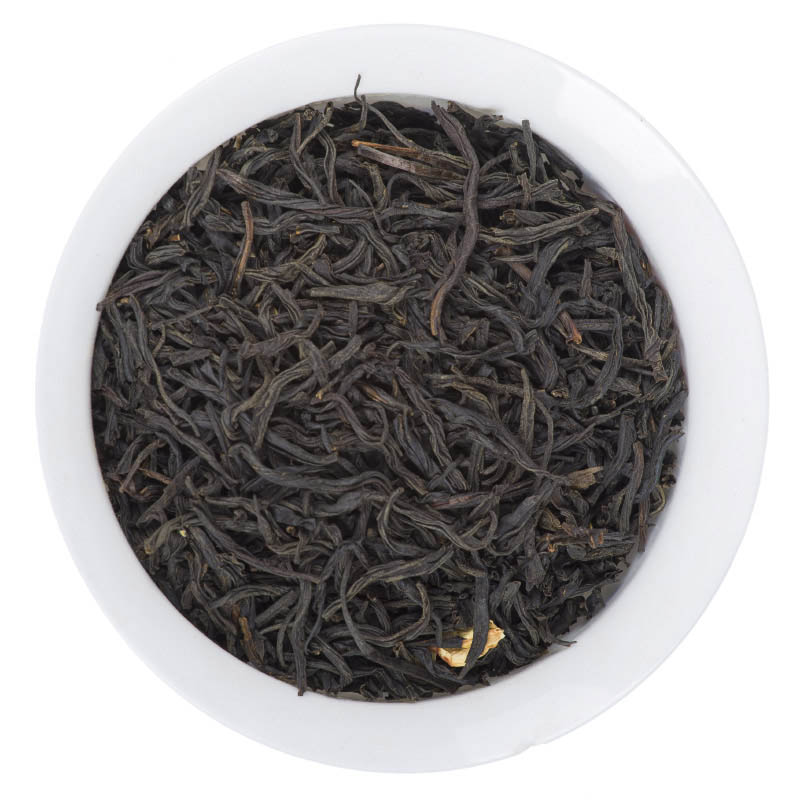
| Black Tea | 18–36 months | In airtight jars, it can last up to 3 years. |
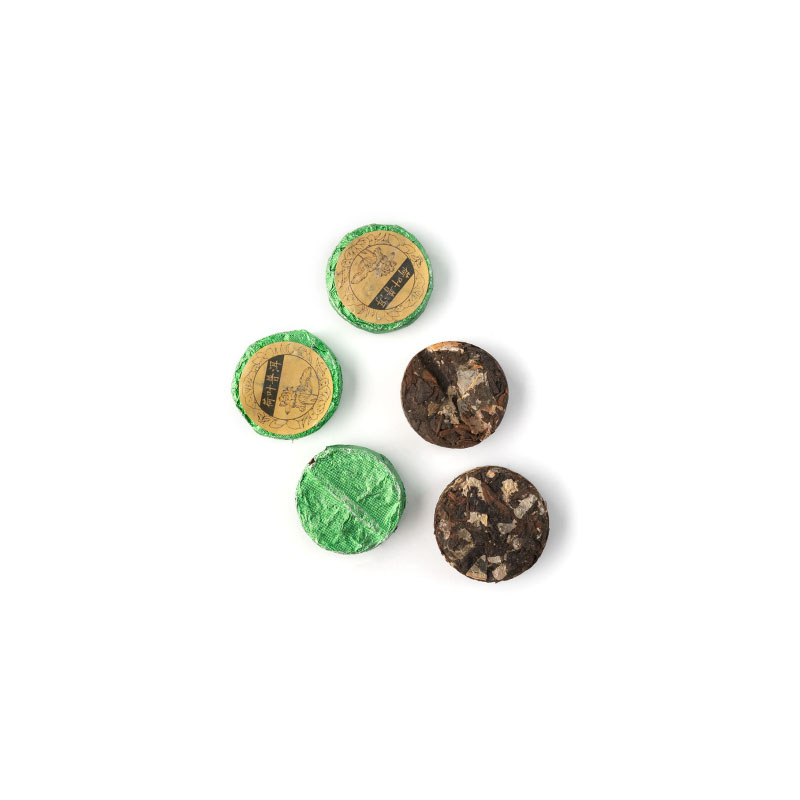
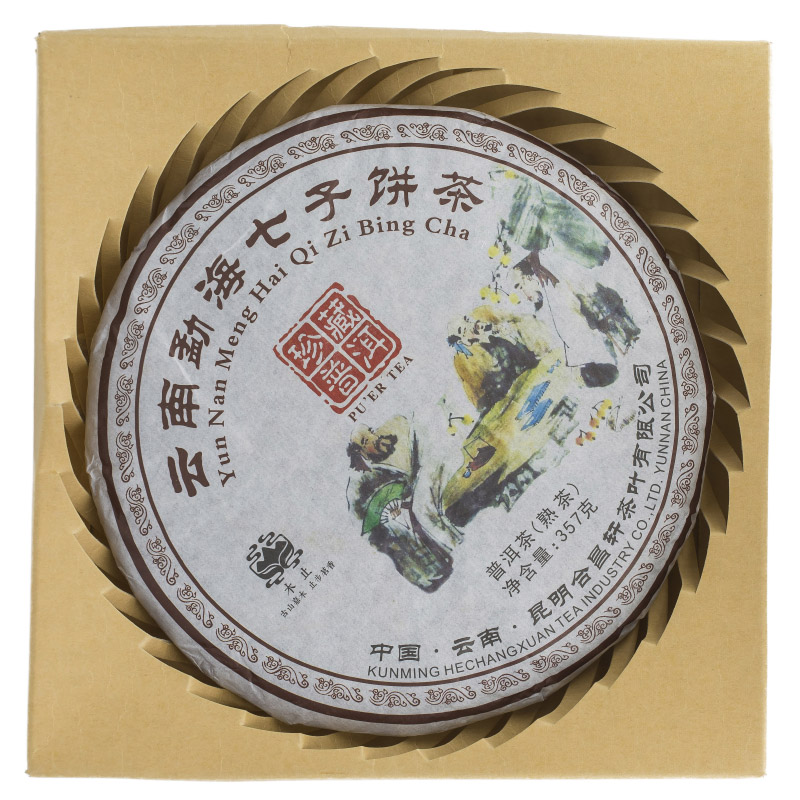
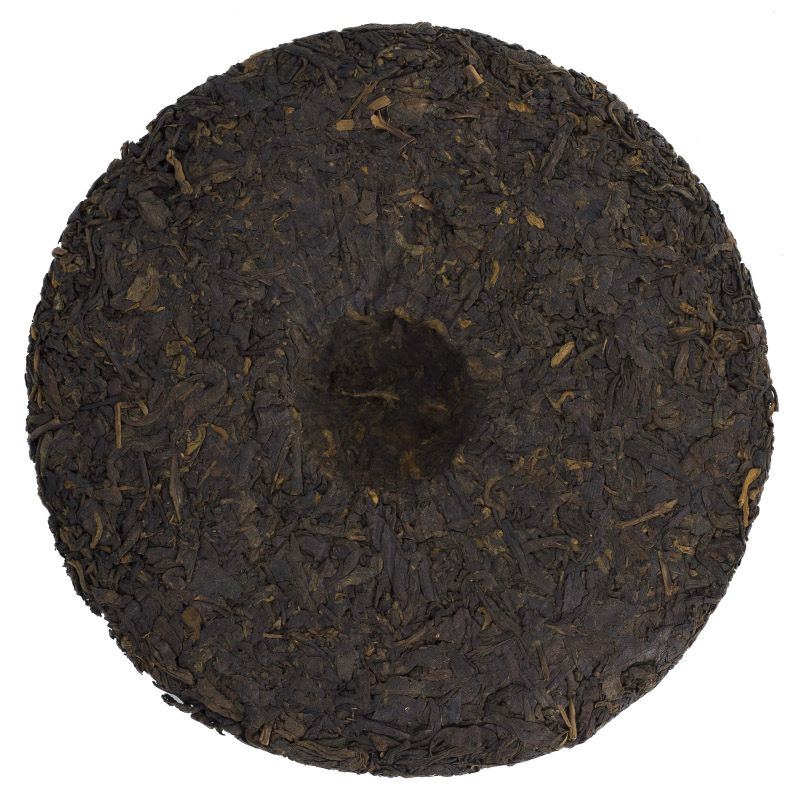
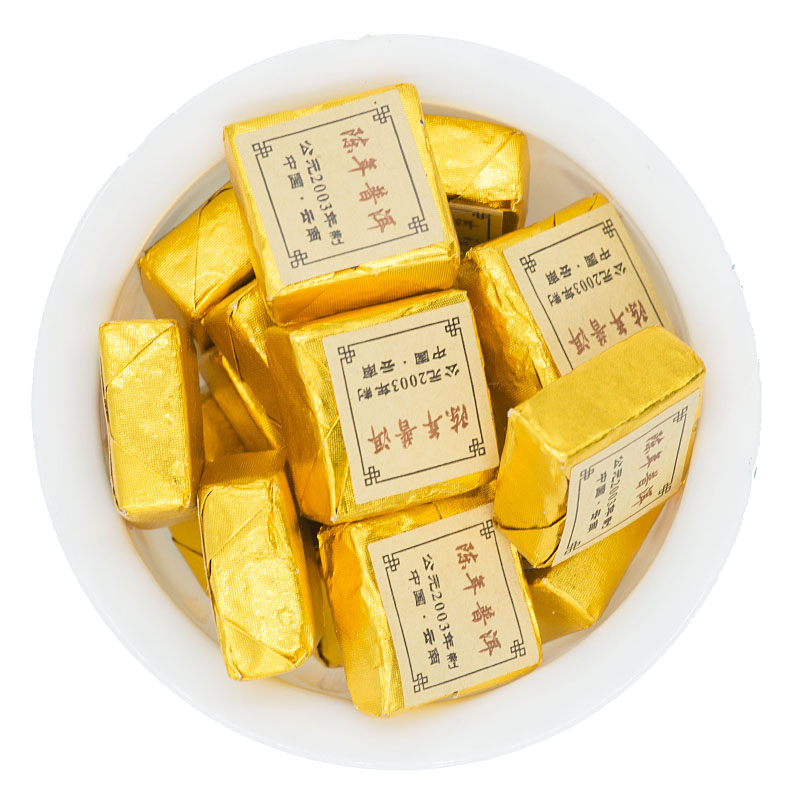
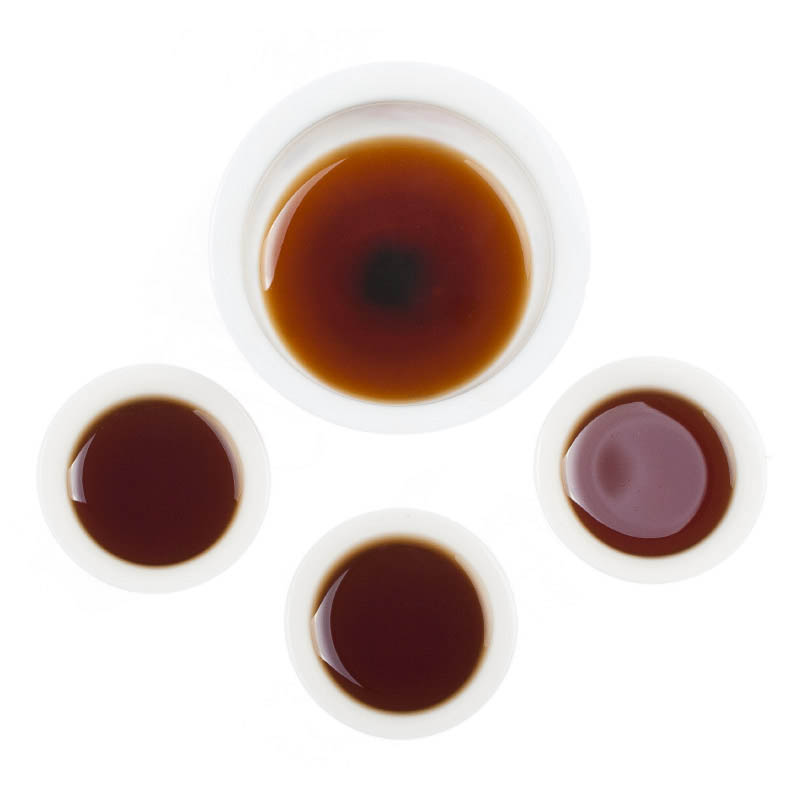
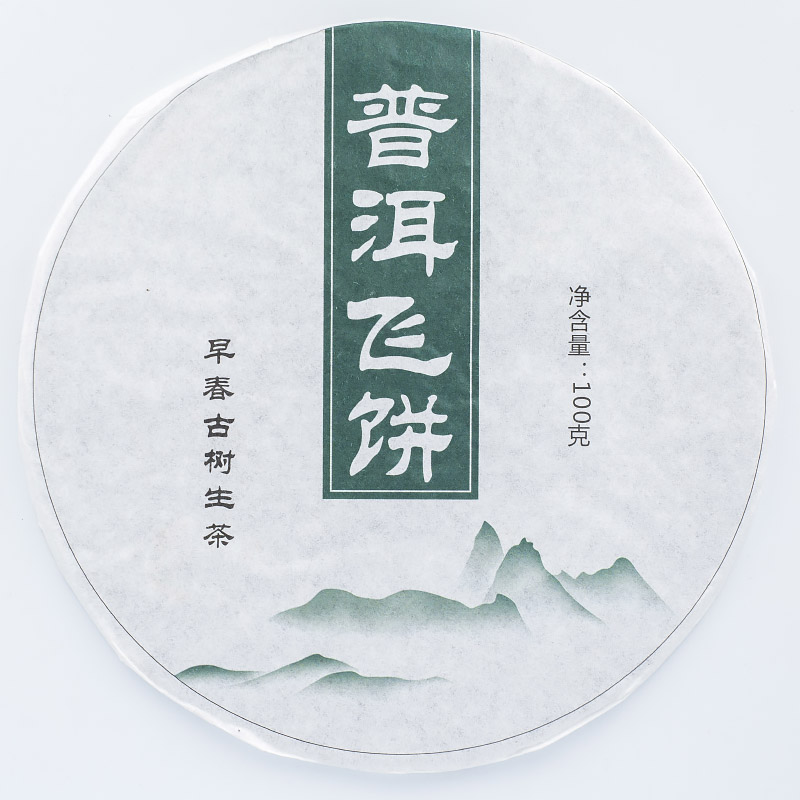
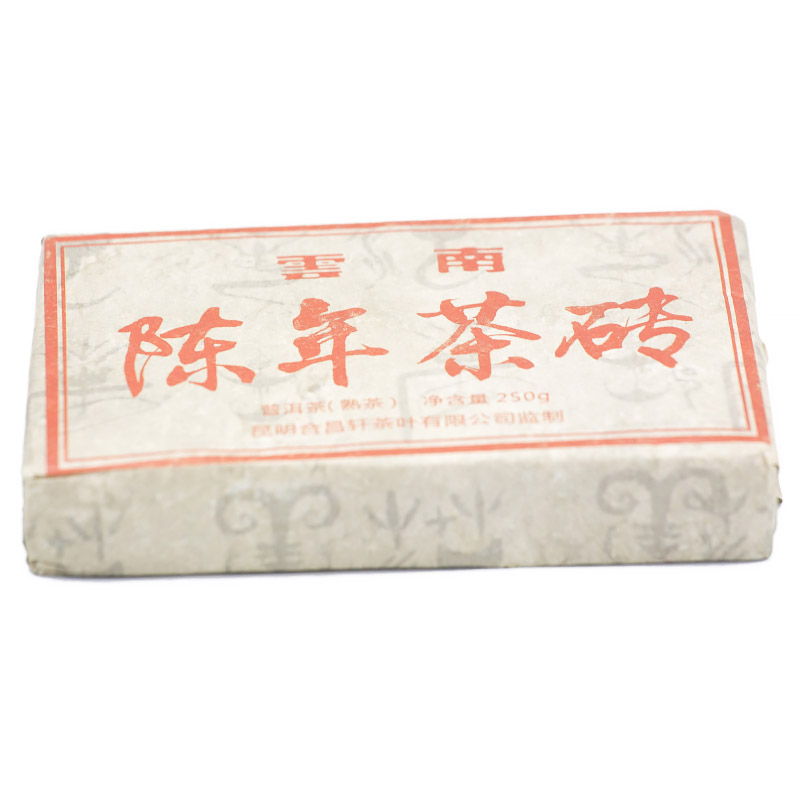
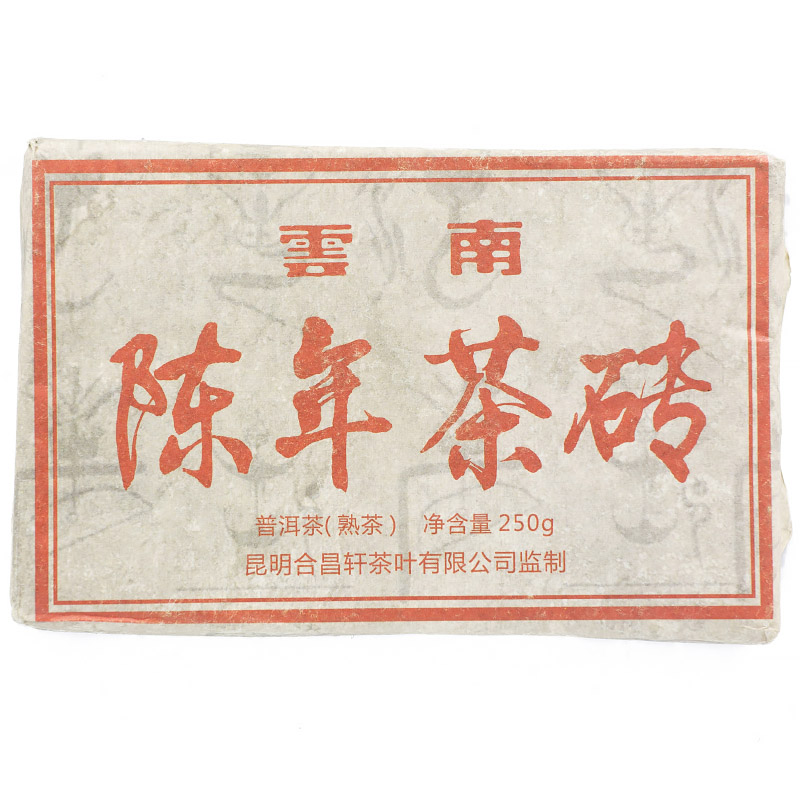
| Pu-erh | 5–20+ years | Improves with age, becoming softer and deeper in flavor. |
Eternal Tea
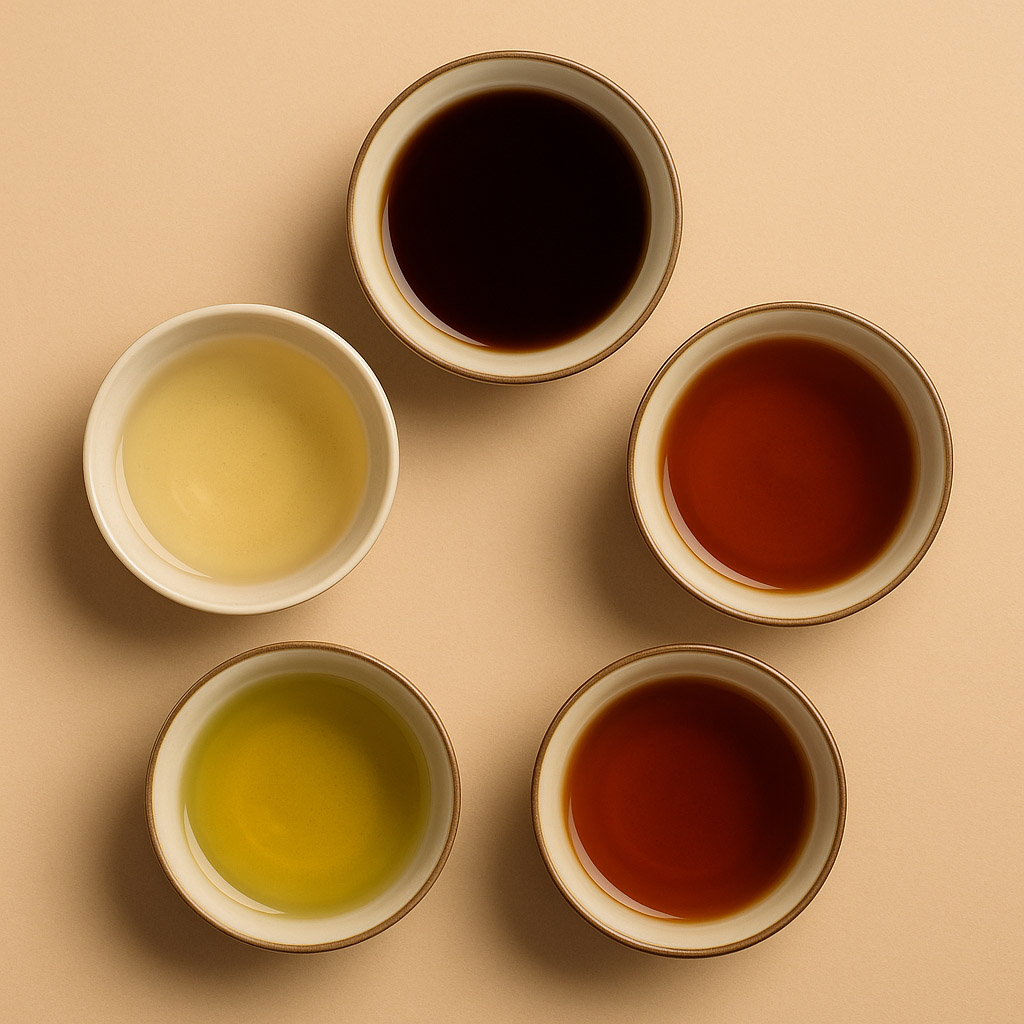
The longest shelf life belongs to pu-erh. Thanks to fermentation, it reveals new flavor nuances over the years. I remember my first tasting of a 15-year-old pu-erh — the flavor was so deep and meditative that I truly felt “eternity in a cup.”
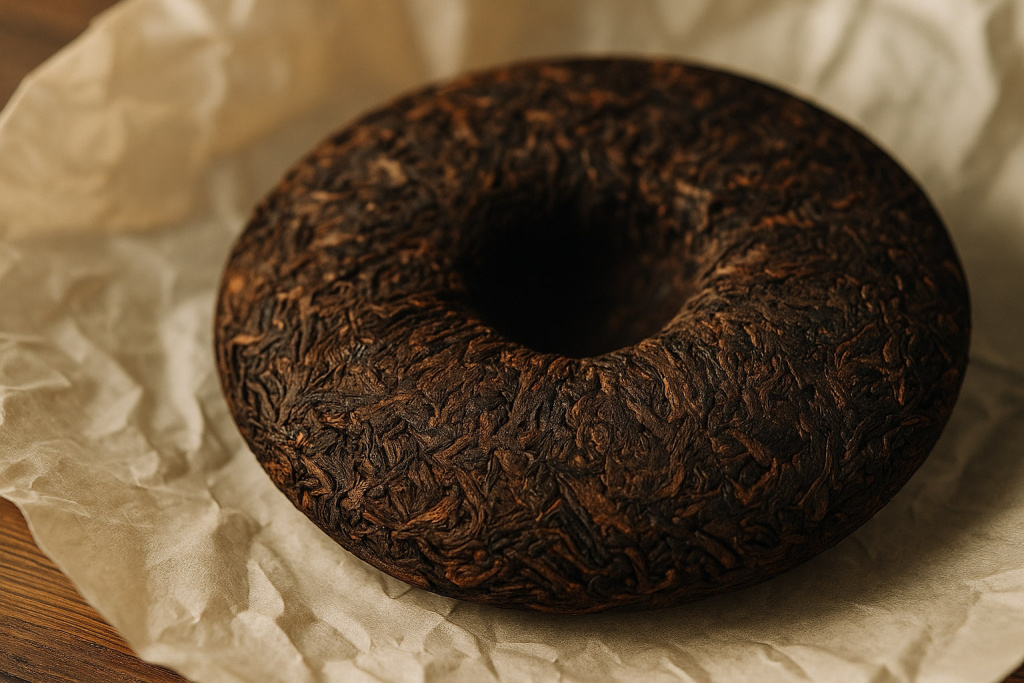
Tip: choose proper storage, and every cup will bring the same joy as on the first day of purchase.













 We are on Instagram